Water Damage Restoration Temecula, CA
Burst pipes, leaking tanks and storm runoff do not wait for business hours. A local crew pulls the water out, dries the structure and documents the loss for your claim.
(888) 450-9281Call for a local dry-out crew- Water out fast
- IICRC S500 drying
- Claim-ready photos
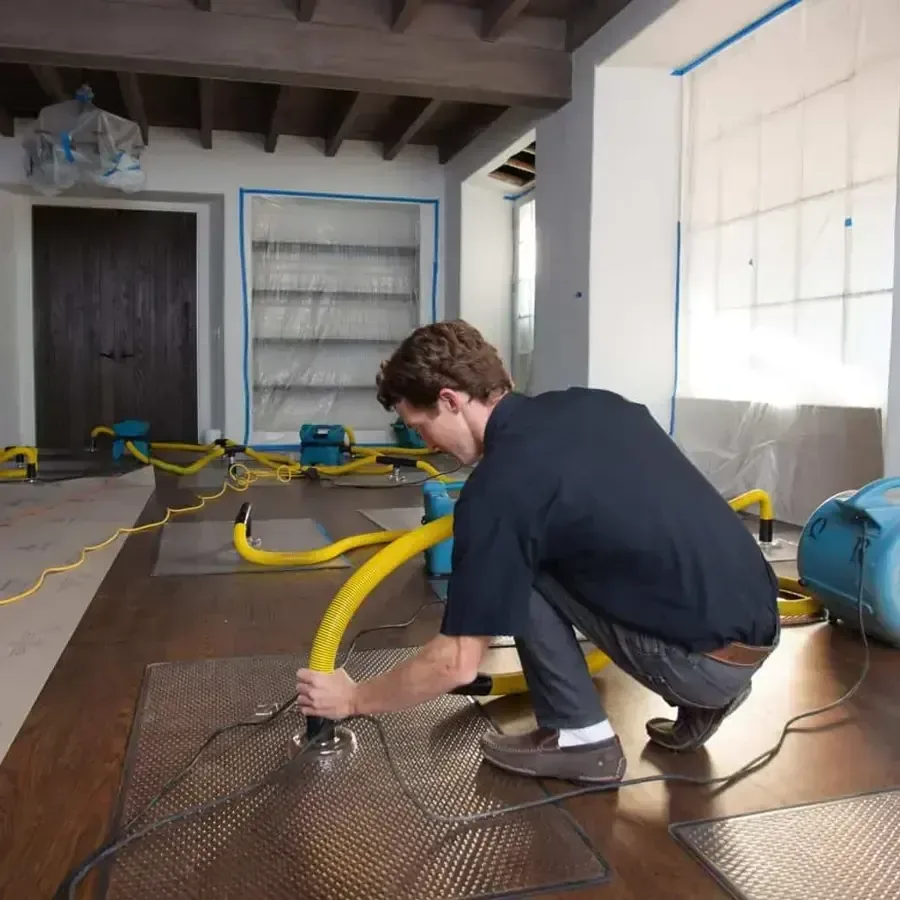
What to do right after a leak starts
- 1Stop the source Shut the main valve or the appliance supply, then cut power to wet rooms only if the panel is dry and easy to reach.
- 2Photograph everything Take wide and close photos of floors, walls and belongings before anything moves; adjusters ask for them.
- 3Call a restoration crew Describe the source and the rooms affected while you lift small valuables off the floor.
- 4Leave wet materials alone Do not pull up carpet or cut drywall yourself; the crew decides what dries in place.
Water Damage Restoration Services in Temecula, CA
Each service below covers one kind of water loss, from a slow appliance seep to sewage in a hallway, with the drying steps and price ranges that apply.
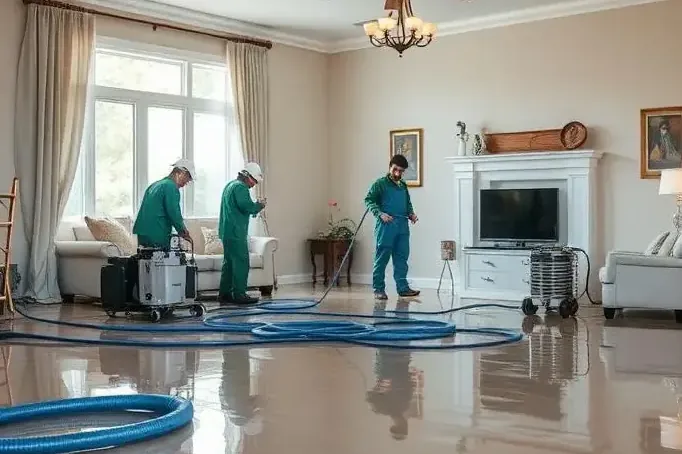 Water Extraction and RemovalPumps and extractors pull standing water off floors before it wicks into drywall and cabinets.See the service
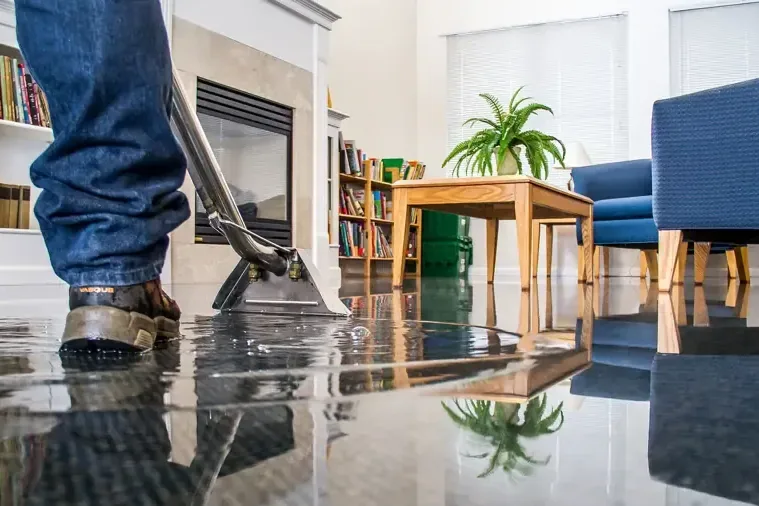 Slab Leak Water DamageA leak under a concrete floor shows up as warm spots, damp flooring or a climbing water bill.See the service
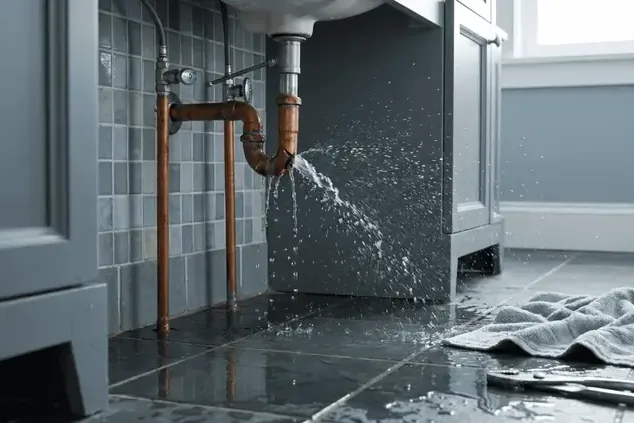 Burst Pipe Water DamageA split supply pipe can drop gallons into walls and ceilings, so shutoff and extraction come first.See the service
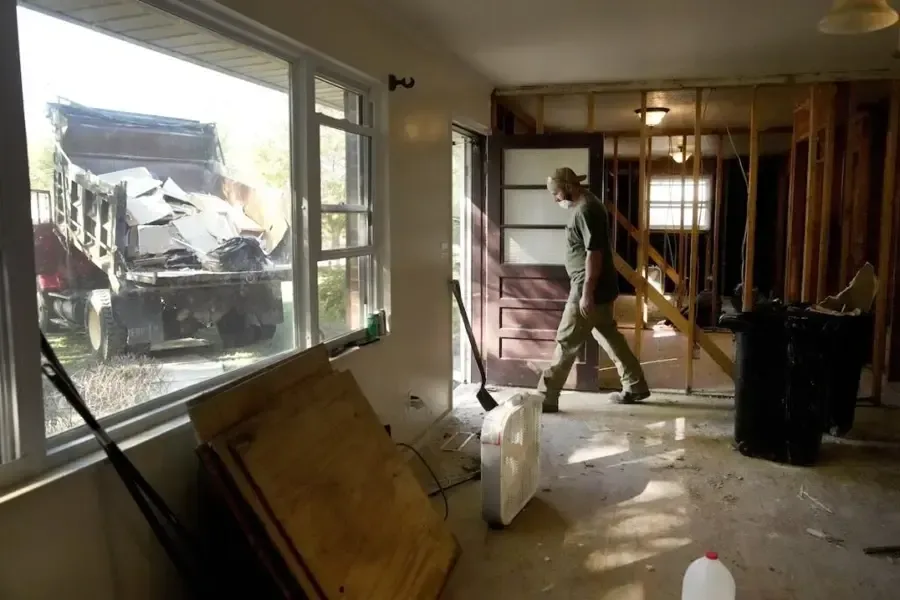 Storm Water DamageWind-driven rain and runoff that get past doors, windows or grading need extraction and careful drying.See the service
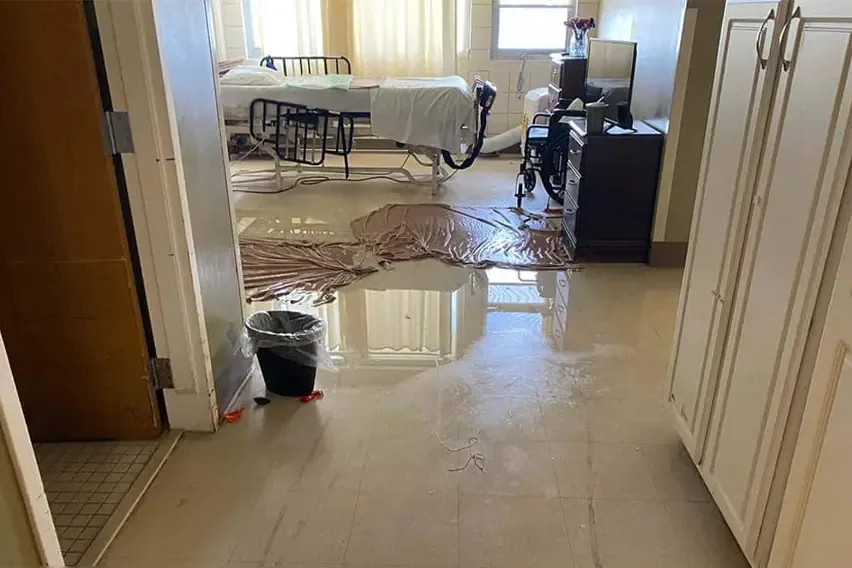 Flood Water CleanupCreek and street water leave silt and contamination that call for removal, cleaning and full drying.See the service
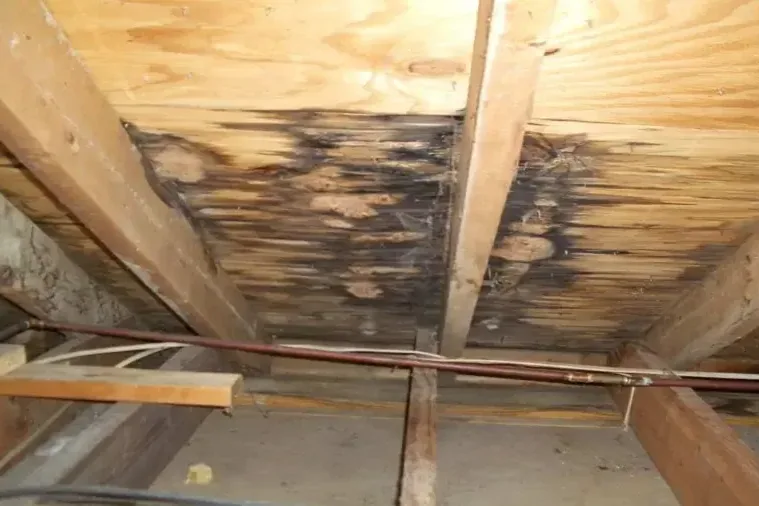 Roof Leak Water DamageRain that enters at shingles or flashing soaks insulation and ceilings long before a stain appears.See the service
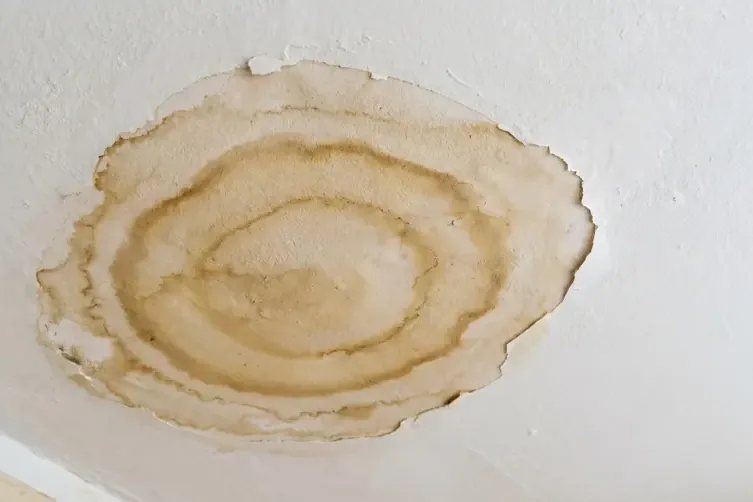 AC Drain Leak Water DamageA clogged condensate drain can overflow into ceilings and walls around the air handler.See the service
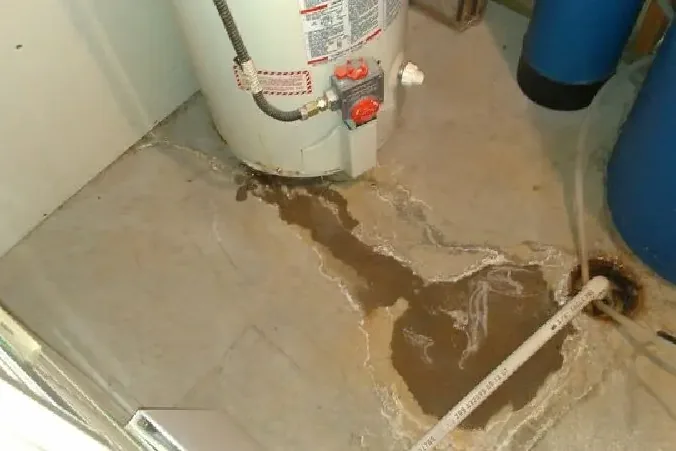 Water Heater Leak CleanupA failed tank can empty into a garage or closet, and drying covers every wet surface.See the service
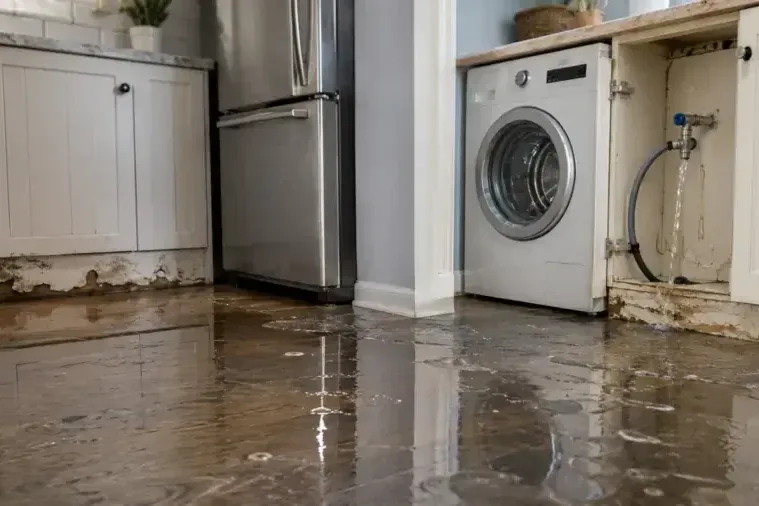 Appliance Leak Water DamageWashers, dishwashers and ice makers leak slowly into floors and cabinets, often for weeks unseen.See the service
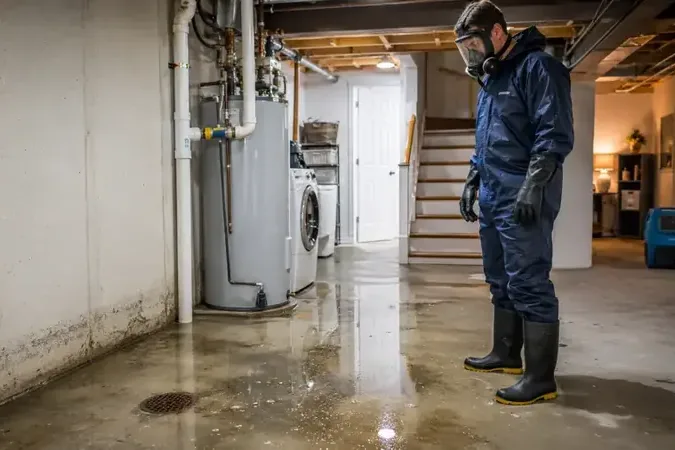 Sewage Backup CleanupBacked-up drains carry contamination, so the area is sealed, cleared out and disinfected.See the service
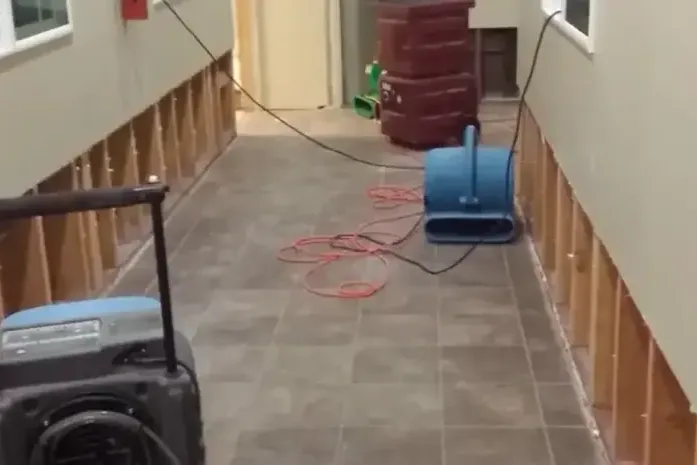 Structural Drying and DehumidificationAir movers, dehumidifiers and moisture meters bring wet framing and subfloors to a dry goal.See the service
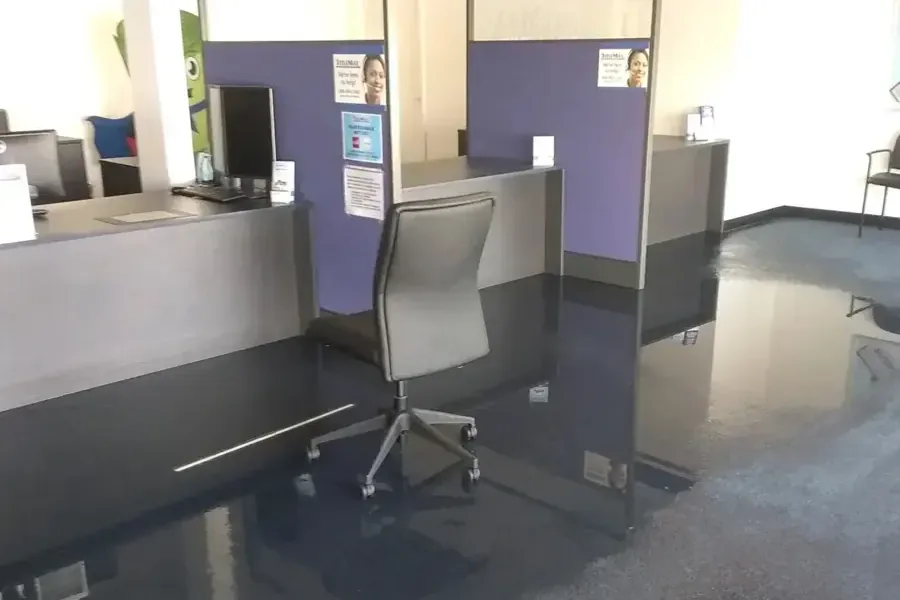 Commercial Water DamageShops, offices and hospitality spaces get phased drying plans that keep tenants working.See the service
Why owners want a nearby drying crew
Water spreads into framing quickly, so the first call matters more than any single machine brought to the job, and a local crew keeps that call short.
- 1
Rapid local response
Crews who know the neighborhoods can reach a failed pipe at night and start extraction early, which limits how far water travels through the structure.
- 2
IICRC S500 drying standard
Drying follows the S500 standard, with moisture readings logged on every visit until wet materials return to a dry reference.
- 3
Claim-ready documentation
Photos, moisture readings and equipment records land in one tidy file that an adjuster can follow without calls back and forth.
- 4
Local water know-how
Crews understand how plumbing, clay soil and rain shape the damage in this part of Riverside County.
Equipment on the truck
- Truck-mounted extractors
- Axial air movers
- LGR dehumidifiers
- Thermal imaging cameras
- Moisture meters
Dried to a measured target, not by guesswork
A crew measures unaffected materials first to set a dry goal, then logs moisture readings on every visit and pulls the equipment only once framing, subfloor and drywall meet that goal.
- Written drying plan
- Daily moisture logs
- Containment when needed
- Final dry check
Documentation for your insurance claim
The paperwork matters as much as the pumps when a carrier reviews a water loss.
- Dated photos of every wet room
- Moisture readings from each visit
- Equipment lists with run times
- Notes on materials that were removed
- A written scope of work
Owners can start the claim file themselves by saving receipts, noting when the leak began and keeping damaged items until the adjuster has seen them. The crew fills in the technical side.
What does water damage restoration cost in Temecula, CA?
Typical household losses usually run from about $1,000 to $12,000, driven by how far the water spread, how long it sat and whether it was clean, gray or black water. Bigger floods and commercial jobs naturally cost more.
Contained leak, one area
- One wet room only
- Quick extraction visit
- Short drying run
Several rooms affected
- Walls and floors wet
- Flooring or pad pulled
- Longer drying run
Spread or contaminated water
- Gray or black water
- Materials removed
- Full containment set up
Ranges shift with materials, access and how long the water sat. Read about water extraction or structural drying to see what each price band includes, and ask for a written scope before work begins.
All water damage categories covered in Temecula, CA
Category 1: clean water
Supply pipes, tanks and rain that entered cleanly. Dried fast, this stays the easiest loss to fix.
Water extractionCategory 2: gray water
Washer and dishwasher overflow carries some contamination, so soaked porous materials often come out.
Appliance leaksCategory 3: black water
Sewage and floodwater are grossly contaminated and need protective gear, removal and disinfecting.
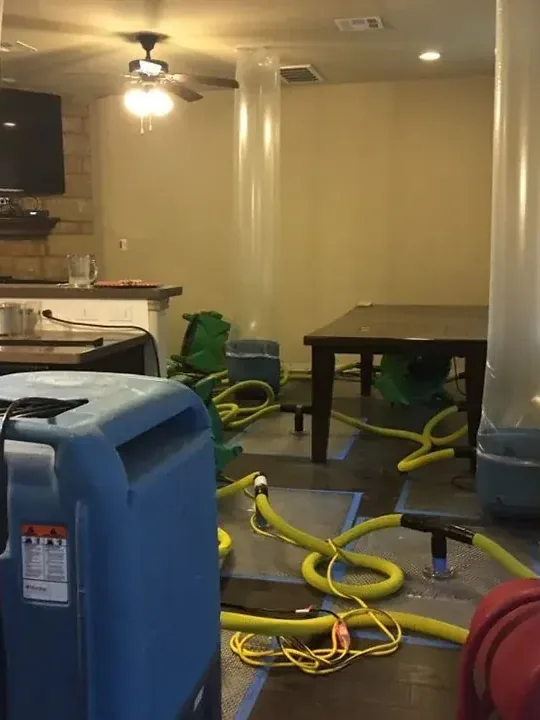
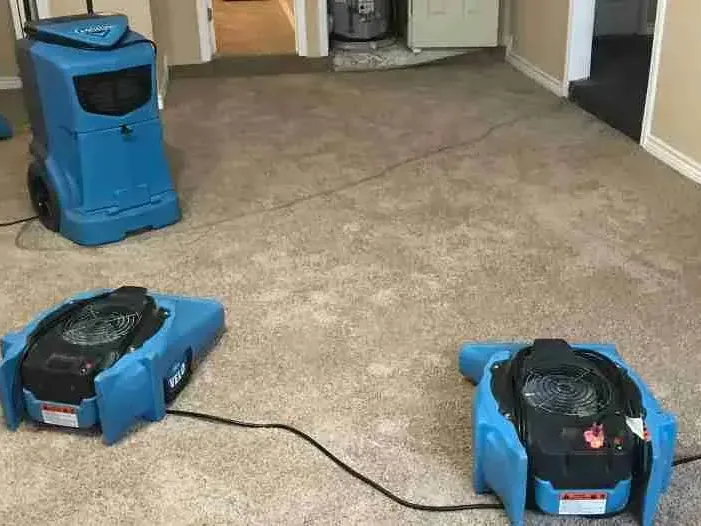
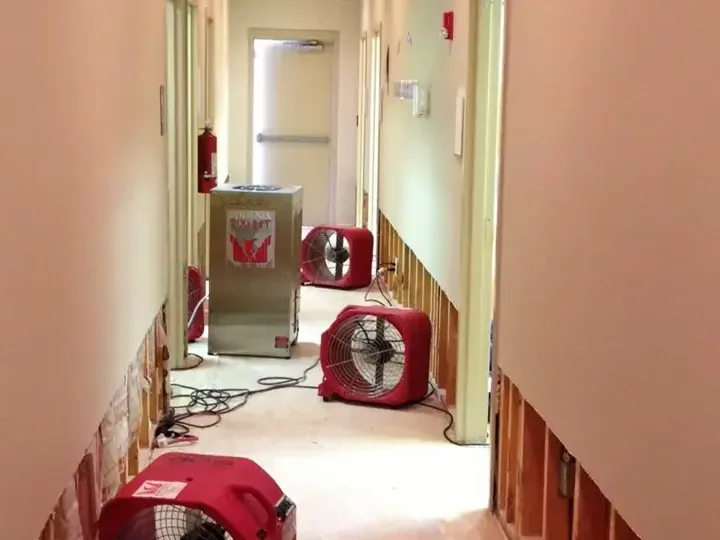
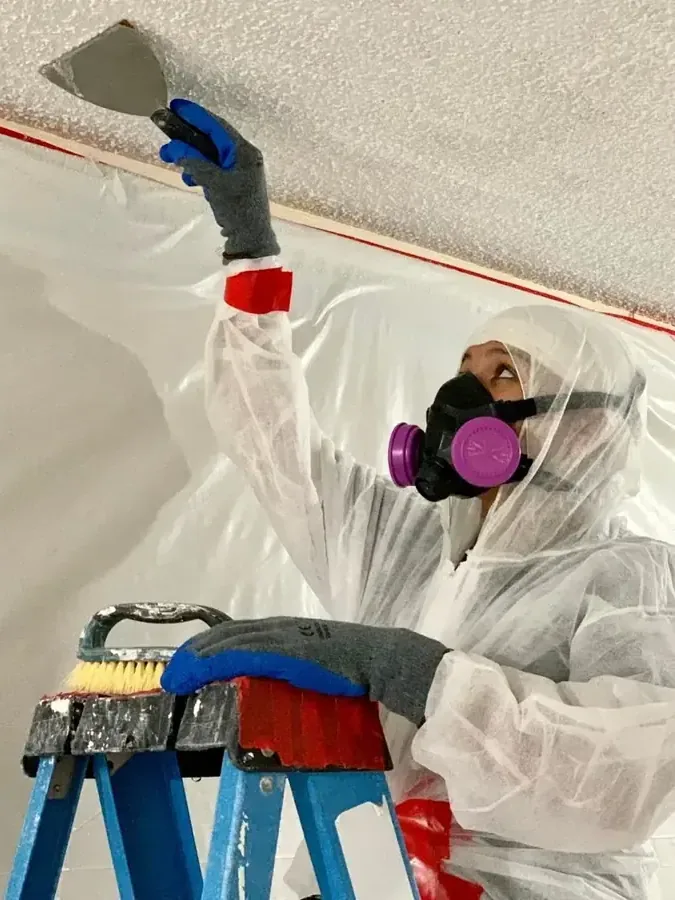
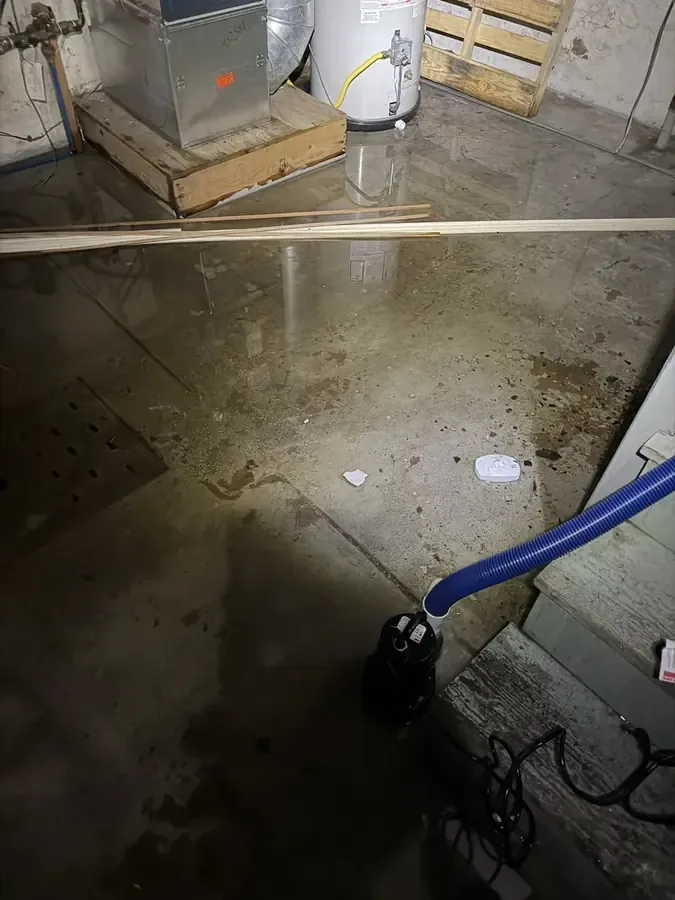
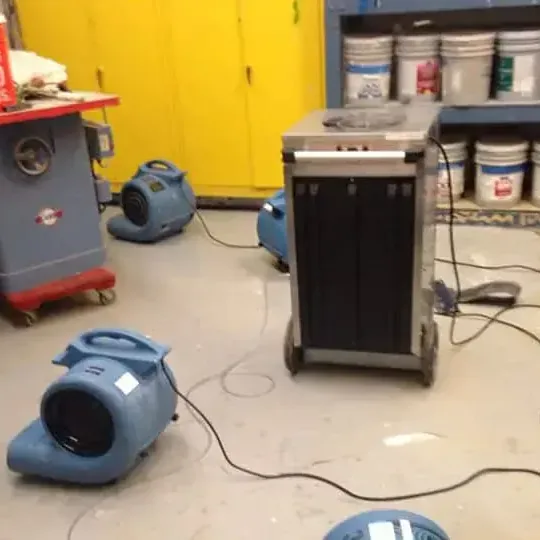
Sewage cleanupWhat a water damage dry-out looks like in Temecula
Water damage help across the city
From Old Town Temecula to the master-planned communities beside Interstate 15, crews respond to water losses across the city.
ZIP codes covered
Redhawk, Harveston and Wolf Creek homes often combine open floor plans with attached garages, so one leak can reach several rooms before anyone notices.
Master-planned communities
Redhawk Harveston Paseo del Sol Wolf Creek
More neighborhoods
Crowne Hill Chardonnay Hills Temeku Hills Morgan Hill Temecula Creek
Nearby towns
One call reaches Temecula water damage pros, 24/7
Whether a pipe let go in Harveston or a tank failed beside Highway 79, one call starts extraction and drying with a crew that knows the area's streets, homes and creek runoff patterns, plus the claim paperwork.
What local weather and plumbing mean for homes
Rain gets the attention in this valley, yet plumbing, appliances and soil movement cause most household water losses. Creek runoff and the occasional odd storm round out the picture for owners.

A rare F1 tornado touched down in a local neighborhood, proving severe weather can reach homes.
Riverside County supervisors voted 5-0 on a state funding agreement for the Murrieta Creek flood control project.
Traces of snow fell, yet snow is rare, so most pipe failures trace back to wear or pressure.
Creek runoff
Murrieta Creek and Temecula Creek join south of the city to form the Santa Margarita River, so heavy storms can push water toward low spots.
Clay soil movement
Expansive clay in South Temecula, Redhawk and parts of Wolf Creek can stress foundations and the plumbing buried beneath them.
Garage water heaters
Tanks often sit in attached garages, where a slow failure can spread across the floor into adjoining rooms.
Septic and sewer backups
Many outlying properties use septic systems, which can fail differently from a standard sewer drain.
Water damage questions answered
Describe the leak to a dispatcher and learn what to shut off, what to photograph and what happens next.
Ask a local specialist about your leakHow fast should water be removed after a leak?
As soon as possible. Standing water soaks drywall, baseboards and subfloor quickly, and moisture left in place for 24 to 48 hours gives mold a chance to start. Early extraction keeps the loss smaller, the drying shorter and the bill lower.
Does homeowners insurance cover water damage?
Sudden events such as a burst pipe or a failed water heater are commonly covered, while slow neglected leaks often are not. Policies vary, so read yours and ask the carrier. The crew supplies photos and moisture logs either way.
What is the difference between clean, gray and black water?
Clean water comes from supply pipes and rain, gray water carries some contamination from appliances, and black water includes sewage and floodwater. The category decides what can be dried in place and what must be thrown out, and it sets the safety gear used.
Can wet carpet and drywall be saved?
Often yes when the water was clean and drying starts quickly. Carpet pad, insulation and drywall soaked by gray or black water are usually removed because they cannot be cleaned safely, while solid wood and tile often dry in place.
How long does structural drying take?
It depends on the materials, the size of the area and the humidity level. Equipment runs until readings match the dry goal, and the crew checks progress during each visit and adjusts the placement of air movers and dehumidifiers as needed.
What should be shut off before the crew arrives?
Close the main water valve or the appliance supply, and switch off breakers for wet rooms only if the panel is dry and safe to reach. Stay out of rooms with bulging ceilings, and keep pets and children away from standing water.
Is a sewage backup different on a septic system?
Yes. Many outlying properties use septic systems, and Riverside County Environmental Health is the place to confirm septic capacity. The cleanup itself still means removal and disinfecting.
Do water heater replacements need a permit?
Local guidance says a building permit is needed to install or replace a water heater, and permits run through the city's Citizen Self Service portal. The plumber handles that after the water is cleaned up.
Can a leak hide inside the walls?
Yes. Water travels along studs, through insulation and under flooring, so thermal imaging and moisture meters find wet areas that look perfectly normal on the surface. That is why readings are taken in rooms that seem untouched.
What does the first visit involve?
A technician finds the source, checks the water category, takes moisture readings and photos, then sets up extraction and a drying plan. Owners get a scope and a price range before major work begins, and questions are welcome.
Water on the floor? Get a crew moving now
Every delay lets moisture travel further into framing. One call starts extraction, drying and the paperwork your insurance carrier will ask for.