Flood Water Cleanup in Wildomar, CA
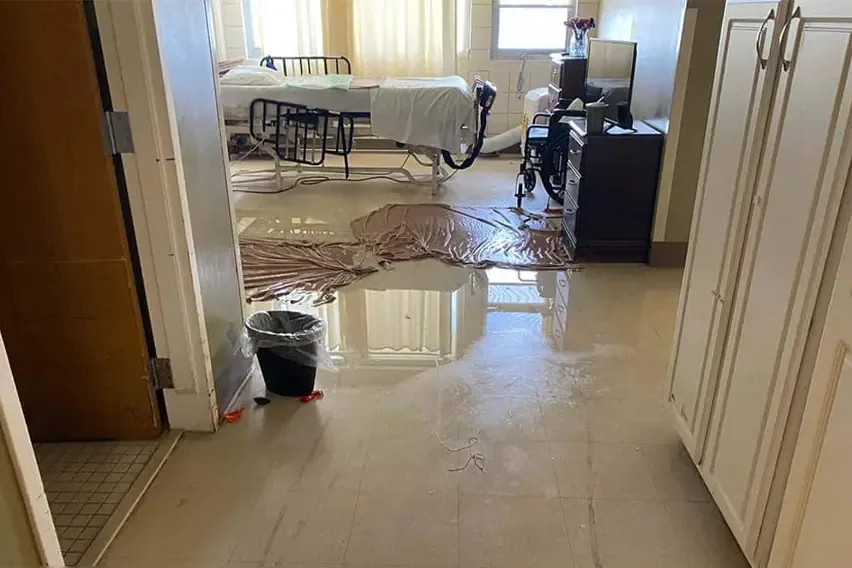
Flood water that rises into a home in Wildomar, CA carries silt, runoff and sewage, so the mitigation team treats it as Category 3 from the start: contained, removed, cleaned and dried to a measured goal.
(888) 450-9281Runoff came in the door? Call- Category 3 from the start
- Silt and debris removal
- Antimicrobial before drying
- Water category
- 3 (contaminated)
- Class of loss
- 3 to 4, floors and walls
- Typical drying
- 4 to 8 days
- Drying standard
- IICRC S500
First steps for flood water cleanup in Wildomar
- 1Stay out of the water
Flood water can hide live electrical and sharp debris; keep everyone out.
- 2Shut power if safe
Switch off the main breaker only from a dry spot.
- 3Photograph the waterline
Shoot the high-water mark on walls before anything is removed.
- 4Wash hands and call
Avoid touching flood water, then call for Category 3 cleanup.
How flood water cleanup is handled
Category 3 from the first visit
The mitigation team sets containment and PPE before any extraction, because rising water is contaminated.
Porous materials removed
Carpet, pad, insulation and drywall below the flood cut come out and are bagged, not dried and reused.
Cleaned, treated, then dried
Hard surfaces get cleaned and an EPA-registered antimicrobial before air movers and dehumidifiers start.
What does flood water cleanup cost in Wildomar, CA?
Flood water cleanup here typically runs $4,000 to $20,000 or more, depending on the depth of the water, how many rooms it reached, how much drywall and flooring has to come out and how long it sat. Category 3 work costs more than clean-water drying.
Garage or one room
- Silt and water extraction
- Flood cut and pad removal
- Antimicrobial and drying
Several ground-floor rooms
- Flooring and drywall removed
- Containment and HEPA filtration
- Extended drying and logs
Whole ground floor
- Cabinets and flooring out
- Full flood cuts throughout
- Structural drying of slab
Ranges only, not a quote. The drivers are the water category, the square footage, the material class and how fast drying started. For a planning number, run the water damage cost calculator.
The flood water cleanup process, step by step
Flood water cleanup in Wildomar, CA: Category 3 protocol for creek and street runoff that enters homes and businesses, porous material removal, cleaning, antimicrobial treatment and structural drying.
- 1
Contain and protect
The mitigation team sets containment and PPE, then documents the waterline and every wet room with timestamped photos before work begins.
- 2
Extract water and silt
The extraction crew removes standing water and shovels or extracts silt and debris off slabs, subfloors and garage floors.
- 3
Remove and clean
Porous materials below the flood cut come out, and hard surfaces are cleaned and treated with an EPA-registered antimicrobial at its dwell time.
- 4
Dry and verify
The drying team runs air movers and LGR dehumidifiers, logs readings daily and verifies framing and concrete against a dry reference.
Flood water is water that rises across the ground and enters the home from outside. It picks up soil, street runoff and anything in its path, so IICRC S500 treats it as Category 3. Porous materials it touched come out; they are not dried and put back.
Where flood water cleanup starts in this valley
Murrieta Creek runs through town, joined by side creeks such as Cole Creek, Linda Rosa Creek and Miller Canyon Creek, and the whole creek system drains toward the Santa Margarita River. Lake Elsinore, just north, flooded in 1980 after more than a week of heavy rain, destroying nearby homes and businesses. In a March 2008 report, the Riverside County Flood Control and Water Conservation District called Murrieta Creek flood control funding a critical priority as the region boomed. Low lots near those channels are where rising water reaches homes first.
How flood water cleanup is done safely
- The mitigation team wears PPE: gloves, boots, eye protection and respirators
- Wet carpet, pad, insulation and drywall that touched the water are removed and bagged
- Silt and debris are shoveled and extracted off slabs and subfloors
- Hard surfaces are cleaned and treated with an EPA-registered antimicrobial at its dwell time
- Drying starts only after the contaminated materials are out
- Garages, sheds and stored goods are sorted into keep, clean and discard piles with photos for the claim
Flood cuts usually run a measured distance above the waterline, so every wet piece of drywall and insulation comes out. The drying team then dries framing and concrete with air movers and LGR dehumidifiers until readings match a dry reference.
Do not wait for it to dry on its own: flood water carries bacteria, and moisture held for 24 to 48 hours is the usual window for mold growth. Stay out of the water near outlets, and keep children and pets away.
Flood water cleanup and flood insurance
Standard homeowners policies usually exclude rising surface water, which falls under flood insurance. FloodSmart explains what a flood policy covers, and Ready.gov flood guidance covers safety before going back inside. The claim file carries photos of the waterline, the moisture map and the removal scope. If rain came in through the roof or a window instead, see storm water damage.
Flood water cleanup across Wildomar and nearby cities
Nearby coverage reaches Murrieta, Lake Elsinore, Canyon Lake, Menifee, Temecula, Moreno Valley.
Crews cover the whole 92595 ZIP: the original townsite around Central Avenue, Sedco Hills, the homes off Clinton Keith Road and Bundy Canyon Road, and the low ground along Murrieta Creek.
92595
Flood Water Cleanup questions
Rising water got inside? In Wildomar, the mitigation team works 24/7.
Report water rising from outsideWhy is flood water cleanup treated as Category 3?
Water that rises from outside carries soil, street runoff, sewage and chemicals. IICRC S500 treats it as Category 3, so porous materials it touched are removed and surfaces are disinfected before drying.
Is flood water cleanup covered by homeowners insurance?
Usually not. Rising surface water is normally a flood insurance matter, while rain that blows in through a damaged roof or window may fall under homeowners coverage. Check your own policies.
How high are walls cut during flood water cleanup?
Flood cuts run above the highest wet reading, not just the visible waterline, so all wet drywall and insulation comes out. The exact height depends on how far the water wicked.
Can furniture be saved after flood water cleanup?
Solid wood and metal pieces can often be cleaned and disinfected. Upholstered furniture, mattresses and particleboard that soaked in flood water usually cannot.
How long does flood water cleanup take in Wildomar?
Removal and cleaning take one to three days, then drying runs four to eight days for framing and concrete. Readings decide when equipment leaves.
Is it safe to stay in the home during flood water cleanup?
Rooms under containment should stay closed. People with asthma, infants and older adults are often safer staying elsewhere until the contaminated materials are out.
What is the difference between flood water and storm water damage?
Storm water is rain that leaks in through the roof, windows or doors. Flood water rises across the ground from outside. The category, the cleanup and often the insurance differ.
Creek water inside? Call for cleanup.
Flood water is Category 3 from the start. The mitigation team contains it, removes what it ruined and dries the structure.