Storm Water Damage in Temecula, CA
Heavy rain reaches Temecula over creeks that include Temecula Creek and Murrieta Creek, and the Murrieta Creek flood control project is a reminder that storm flooding is a real local concern.
(888) 450-9281Clear storm water from the house- Runoff pulled out
- Doors and floors dried
- Contamination checked
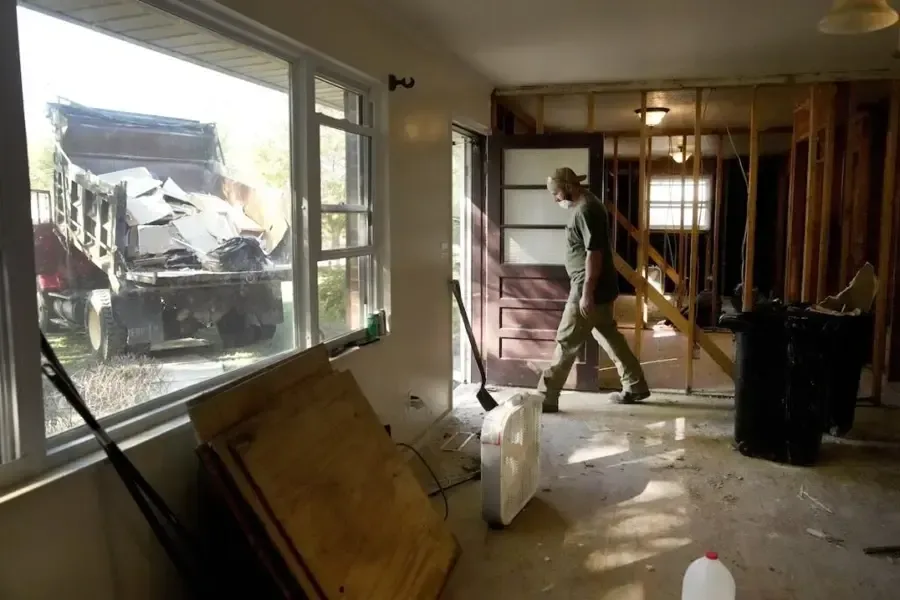
- Typical entry
- Doors, windows, grading
- Water type
- Often gray from runoff
- First task
- Extraction and photos
- Also checked
- Garage and entry rooms
First steps for storm water damage in Temecula
- 1Stay out of deep water
Do not wade through water near outlets; shut off power only if the panel is dry.
- 2Photograph the entry point
Capture the doorway, the water line and the yard drainage before cleanup.
- 3Lift valuables up
Move electronics and papers onto counters or beds, away from the wet floor.
- 4Call for extraction
Share the depth and the rooms wet so pumps and protective gear are ready.
How storm water damage is handled
Extraction and mud removal
Pumps, wands and shovels clear water and silt from floors, entries and garages.
Removal of soaked materials
Pad, insulation and low drywall touched by runoff are cut out, bagged and logged.
Cleaning and drying
Surfaces are cleaned and sanitized, then dried with air movers and dehumidifiers until readings pass.
What does storm water damage cost in Temecula, CA?
One entry and one room usually runs $1,200 to $2,800. Several wet rooms cost $2,800 to $6,000, and runoff with contamination can reach $6,000 to $12,000 once removal and cleaning are added.
One entry, one room
- Single threshold
- Extraction and drying
- Light cleaning
Several rooms wet
- Hall and bedrooms
- Pad removed
- Longer drying run
Runoff with contamination
- Mud and silt cleared
- Walls opened low
- Sanitizing included
Ranges only, not a quote. The drivers are the water category, the square footage, the material class and how fast drying started. For a planning number, run the water damage cost calculator.
The storm water damage process, step by step
Cleanup after rain and runoff enter a house through doors, windows or grading, covering extraction, removal of soaked materials and full drying.
- 1
Secure and assess
The crew checks for electrical and slip hazards, then tests the water type and measures how far moisture reached into walls.
- 2
Extract and clear
Pumps and wands pull the water, and silt, mud and debris are removed so floors can be cleaned.
- 3
Remove and sanitize
Contaminated pad and low drywall come out, and the remaining surfaces are cleaned with approved products.
- 4
Dry and document
Equipment runs until readings reach the dry goal, and photos and logs are delivered for the insurance claim.
Storm water does not behave like a pipe leak. It arrives through low thresholds, patio doors, garage openings and failed seals, carrying soil and debris, and it often hits several rooms at once. Owners in the valley know the creeks run high when rain is heavy, so a wet entry deserves attention even when the street looks fine. Photos taken early help show what came in and when.
Why runoff counts as contaminated
Rain that crosses yards, driveways and landscaping picks up fertilizer, soil and bacteria before it reaches a floor. That moves the loss out of the clean category and changes the plan: porous materials such as pad, insulation and low drywall are more likely to be removed than dried in place.
- Water is extracted first, with attention to thresholds and door tracks
- Mud and silt are cleared from floors before equipment is placed
- Baseboards and low drywall are checked for wicking and staining
- Wet carpet pad and insulation are removed when contamination is likely
- Affected surfaces are cleaned and sanitized before air movers and dehumidifiers begin working
Creeks, grading and local storms
Temecula Creek and Murrieta Creek both feed the area's drainage, and the federally authorized Murrieta Creek flood control project shows that the county treats storm flooding seriously. On a smaller scale, yard grading, clogged gutters and failed door seals decide whether a heavy shower becomes an interior loss, and each one is worth checking before the next storm.
Photograph the entry point. Pictures of the doorway, threshold and yard drainage help an adjuster see how the water got in and where it stopped.
After the water is out
Once extraction and removal are finished, the crew dries the structure with measured readings and documents each step. If the damage spreads into a larger event, the same crew can scale up to flood water cleanup without starting over.
Storm water damage across Temecula and nearby cities
The same service nearby: storm water damage in Wildomar, Murrieta, Menifee.
Storm crews serve Redhawk, Harveston, Paseo del Sol and Wolf Creek, the neighborhoods around Old Town Temecula, and homes near the creeks, Highway 79 and Interstate 15.
Storm Water Damage questions
Rain pushed water through a door or garage? Describe what came in and learn what to lift, photograph and leave alone.
Describe the storm damageIs storm water considered contaminated?
Often yes. Runoff picks up soil and bacteria on the way in, so crews treat it as gray or worse until testing and inspection show otherwise.
Does homeowners insurance cover storm water?
It depends on how the water entered. Rain through a damaged roof is often covered, while ground flooding frequently needs separate flood coverage. Ask the carrier before assuming.
What helps keep storm water out?
Clear gutters, grade soil away from the foundation, seal door thresholds and keep drains open. These small steps stop many entry losses.
Can carpet stay after a storm leak?
If the water was clean rain and drying starts quickly, carpet can often be saved. Runoff-soaked pad and carpet are usually replaced.
How do creeks affect local storms?
Temecula Creek and Murrieta Creek carry runoff through the valley, so heavy rain can raise water quickly. Owners near low spots should photograph and report even small entries.
What if water entered through the garage?
Garage water often runs under the interior door, so the crew follows it into the house, checks the wall base and dries the shared floor.
Do you check for hidden moisture?
Yes. Meters and thermal cameras locate wet drywall and subfloor that look dry, which prevents damp from lingering behind surfaces.
Get the runoff out and dried
Storm water carries soil that stays behind in floors and walls. One call brings extraction, cleaning and records to the property.