Flood Water Cleanup in Temecula, CA
Murrieta Creek and Temecula Creek join south of Temecula to form the Santa Margarita River, so flood cleanup here follows creek and storm runoff events that leave mud, silt and standing water.
(888) 450-9281Start flood recovery now- Heavy-duty pumping
- Silt and mud removal
- Sanitizing and drying
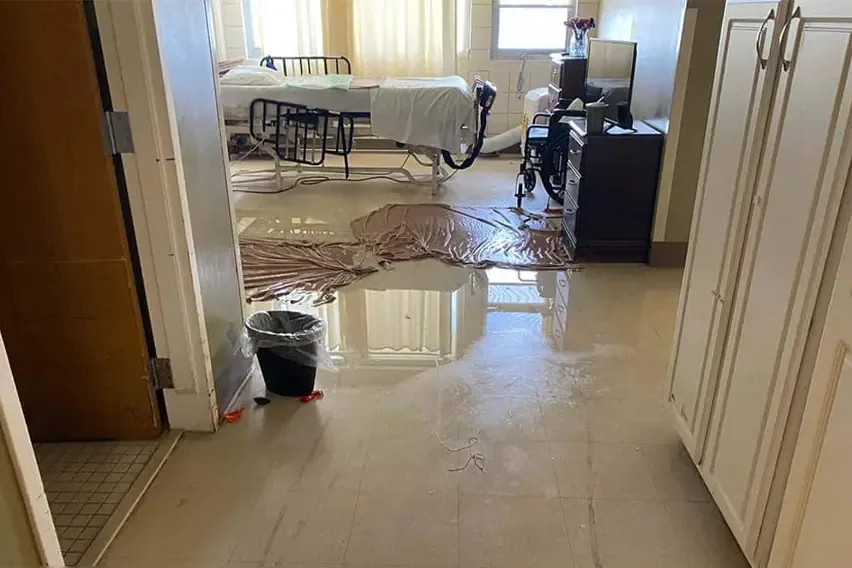
- Water type
- Category 3 contaminated
- Main tasks
- Pump, remove, sanitize, dry
- Common leftovers
- Silt, mud, debris
- Scale
- Whole ground floor possible
First steps for flood water cleanup in Temecula
- 1Avoid the water
Stay out of flood water and keep power off in wet areas.
- 2Document from safety
Photograph water lines, contents and entry points from a dry spot.
- 3Call for pumps
Share the depth so truck-mounted units and protective gear come along.
- 4Sort belongings
Set aside cleanable items and leave porous contents for the crew.
How flood water cleanup is handled
Deep water extraction
Truck-mounted units and submersible pumps clear standing water from garages, living areas and bedrooms.
Mud and debris removal
Silt and debris are shoveled out, and contaminated materials are cut, bagged and logged.
Sanitizing and drying
Surfaces are cleaned and sanitized, then dried with air movers and dehumidifiers until readings are met.
What does flood water cleanup cost in Temecula, CA?
A garage or single room usually runs $4,000 to $8,000. Several ground-floor rooms cost $8,000 to $20,000, and a whole ground floor can run $20,000 to $45,000 because of removal, sanitizing and long drying.
Garage or one room
- One area flooded out
- Silt cleared away
- Sanitizing and drying
Several ground-floor rooms
- Pad and drywall out
- Cabinets checked
- Extended drying run
Whole ground floor
- Full gutting scope
- Heavy equipment run
- Detailed claim file
Ranges only, not a quote. The drivers are the water category, the square footage, the material class and how fast drying started. For a planning number, run the water damage cost calculator.
The flood water cleanup process, step by step
Large-scale pump-out, mud and silt removal, sanitizing and drying for ground-floor rooms and garages after creek or storm runoff reaches a property in the valley.
- 1
Safety and survey
The crew checks electrical and contamination hazards, then measures water depth and maps affected rooms before pumps are placed.
- 2
Pump and clear
Heavy pumps remove standing water, and silt, mud and debris are hauled out before cleaning starts.
- 3
Remove and sanitize
Porous materials that touched flood water are cut out, and framing and subfloor are washed with approved products.
- 4
Dry and verify
Air movers and dehumidifiers run until readings meet the dry goal, and a full report is prepared for the owner and the carrier.
A flood is bigger than a leak. The water is deeper, dirtier and more widespread, and it leaves sediment behind that has to be shoveled and washed out. In this valley, flooding is tied to the creeks: Murrieta Creek and Temecula Creek join south of the city to form the Santa Margarita River, and storm runoff upstream can push water toward homes and low garages.
Why flood water is treated as contaminated
Flood water crosses roads, yards and drainage channels, so it carries bacteria, fuel residue and soil. That puts it in the most serious category and changes everything: contaminated carpet, pad, insulation and drywall are removed rather than dried, and the structure that remains is cleaned and sanitized before drying begins.
- Technicians wear protective gear, and children and pets are kept out of the area
- Heavy pumps and truck-mounted units remove deep standing water
- Mud, silt and debris are shoveled and hauled from rooms and garages
- Porous materials in contact with flood water are cut out and bagged
- Framing and subfloor are washed, sanitized and then dried to a measured goal
Creek history and Vail Lake
The area's water story includes Vail Lake, created when the Vail family built a dam on Temecula Creek in 1948, and the Murrieta Creek flood control project that supervisors backed with a 5-0 vote in 2020. Those facts show that high water is part of local life, even if most seasons stay dry. Owners benefit from knowing who to call before the creek rises, and from keeping a few photos of the property in dry conditions for comparison.
Do not reuse flood-soaked items. Food, upholstered furniture and porous materials touched by flood water should be discarded unless a professional says otherwise.
Rebuilding sequence
After removal and sanitizing, the crew sets drying equipment and keeps readings until framing meets the dry goal. When the loss began as lighter rain entry, see storm water damage for the smaller version of the same job. Large losses often involve both, since storm entry and flooding overlap.
Flood water cleanup across Temecula and nearby cities
The same service nearby: flood water cleanup in Wildomar, Murrieta, Menifee.
Flood crews serve Redhawk, Harveston, Wolf Creek and Paseo del Sol, homes beside Temecula Creek, and the areas along Highway 79 and Interstate 15 across the whole valley.
Flood Water Cleanup questions
Creek or runoff water inside? Describe the depth and the rooms affected and learn what to avoid touching.
Talk to the flood crewWhat makes flood water different from other water?
It is contaminated by soil, bacteria and debris, so porous materials are removed instead of dried, and the remaining surfaces are cleaned and sanitized.
Does insurance cover flood damage?
Standard homeowners policies often exclude flood, while separate flood coverage may apply. Check your policy and ask the carrier before work starts.
How do local creeks affect flooding?
Murrieta Creek and Temecula Creek meet south of the city to form the Santa Margarita River, so heavy runoff can raise water in the valley.
Can furniture be saved after a flood?
Solid wood and hard items can often be cleaned. Upholstery and particleboard that soaked in flood water are usually discarded, and a pro can help sort them.
How long does flood drying take?
It depends on how many rooms were wet and what materials remain. Equipment stays until readings meet the dry goal, and the crew checks progress and moves gear each visit.
Is it safe to stay in the house?
Not until contaminated materials are removed and surfaces cleaned. The crew will advise on which rooms can be used and which should stay closed.
What should be photographed?
Water lines on walls, damaged contents, entry points and the yard. Dated photos make a claim simpler to assess, and they show how deep the water actually got.
Get the flood water cleared out
Flood water leaves silt and bacteria behind. One call brings pumps, protective gear and a full cleanup plan.