Flood Water Cleanup in Murrieta, CA
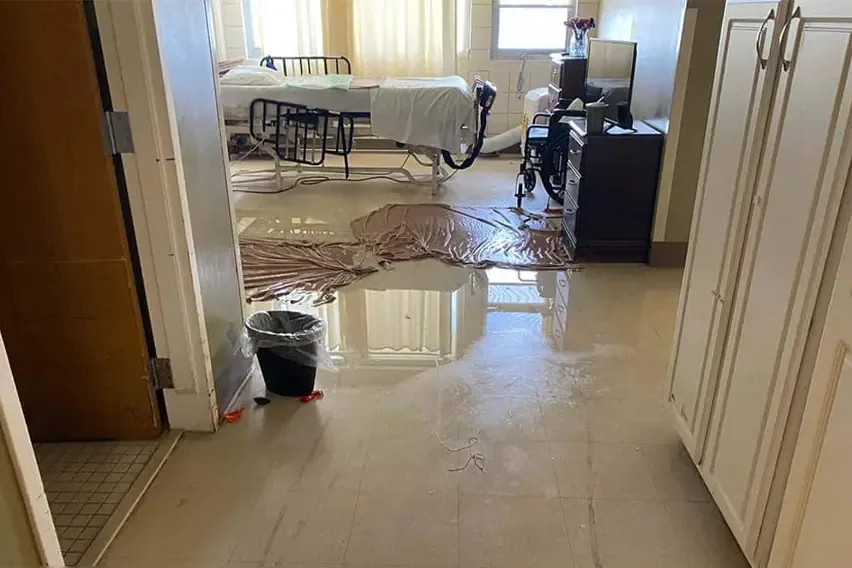
Flood water brings depth, mud and contamination into a home at once. Crews pump it down, haul out ruined materials, clean what stays and dry the ground floor for the insurance record.
(888) 450-9281Flooded home? Get the cleanup started- Deep water pumping
- Mud and debris removal
- Sanitizing and drying
- Water category
- 3 (contaminated)
- Class of loss
- 3 or 4
- Typical drying
- 5 to 10 days
- Drying standard
- IICRC S500
First steps for flood water cleanup in Murrieta
- 1Stay out until safe
Leave deep water alone until the power is off and the depth is known.
- 2Shut off utilities
Turn off the electric panel and gas if the area is wet or unsafe.
- 3Protect documents
Move papers, medications and small valuables to a high, dry place.
- 4Photograph the damage
Take pictures of the high-water mark on walls and furniture for the adjuster.
How flood water cleanup is handled
Deep water drawn down
Pumps lower the level gradually while the crew watches slabs and walls for stress, so the drawdown never rushes the foundation.
Contaminated materials sorted
Pad, insulation and soaked drywall go out, while salvageable hard surfaces are cleaned, treated and photographed for the claim.
Structure dried and tested
Meters confirm dry readings before any rebuild begins, and the final report is handed to the owner.
What does flood water cleanup cost in Murrieta, CA?
Flood water cleanup in this area usually costs $4,000 to $45,000, depending on water depth, how much of the ground floor was reached, the type of flooring, the contamination level and how long the water stood before pumping began.
Garage or one room
- Limited footprint
- Pump and mud removal
- Cleaning and drying
Several ground-floor rooms
- Multiple rooms soaked
- Flooring and drywall out
- Longer drying run
Whole ground floor
- Full-level contamination
- Contents handling
- Extended equipment time
Ranges only, not a quote. The drivers are the water category, the square footage, the material class and how fast drying started. For a planning number, run the water damage cost calculator.
The flood water cleanup process, step by step
Flood water cleanup in Murrieta, CA: pumping of deep water, removal of mud and contaminated materials, sanitizing and structural drying with photo documentation.
- 1
Assess and secure
The tech checks power, structure and depth, then sets up protective gear before anything is touched.
- 2
Pump and remove
Water is lowered in stages, and mud, silt and ruined materials are carried out and bagged for disposal.
- 3
Clean and sanitize
Surfaces that stay are washed and treated, and the room is prepared for drying equipment.
- 4
Dry and certify
Air movers and dehumidifiers run while meters track progress, and the final report records the dry result along with every photo, log and equipment note.
Flood water cleanup covers the large, dirty losses: water that stands in inches or feet, carrying silt, debris and bacteria into a house. It is a bigger job than a pipe leak because the whole ground floor can be involved, and because most of what the water touched has to be treated as contaminated.
What makes a flood different
Surface water has moved across streets, yards and storm drains, so it is always treated as Category 3. That changes the work: protective gear, removal of porous materials, cleaning with antimicrobial products and a longer drying period. Homes with every room on the ground level, such as the single-story houses in The Ranchos on lots of about a third of an acre or more, can see the whole living area affected at once.
- Pumping staged so walls and slabs are not stressed by sudden drainage
- Mud, silt and debris shoveled out before surfaces are washed
- Carpet, pad, insulation and lower drywall removed as contaminated
- Hard surfaces cleaned with antimicrobial treatments
- Dehumidifiers, air movers and meters run until the structure is dry
Creeks, drains and local history
Murrieta Creek and Warm Springs Creek cross the valley, and the April 11, 2020 rain storm that collapsed part of Alta Murrieta Drive proved how quickly runoff and failed drainage can combine. The city's Public Works division issues storm drain and grading permits, which is a reminder that water movement around a property is regulated. Cleanup inside the house begins once the water outside has gone down.
Do not hurry the pump. Removing a flooded space too fast can pull soil water into foundations and crack slabs, so crews lower the level in stages and check as they go.
How the cleanup unfolds
The first visit covers safety, shutting off power to affected circuits and removing the water. The next stages remove damaged contents and structure, clean and sanitize, and set drying equipment. A final set of readings and photos confirms the job and supports any claim.
Flood water cleanup across Murrieta and nearby cities
The same service nearby: flood water cleanup in Wildomar, Temecula, Menifee.
Flood crews serve neighborhoods across the valley, from The Ranchos, Mapleton and Alta Murrieta to Greer Ranch, The Colony and Central Park, including homes near Interstate 15.
Flood Water Cleanup questions
Flood water filling the house? Crews roll 24/7.
Describe the flooding to a techIs flood water always Category 3?
Almost always. Water that has crossed ground, streets and drains carries contaminants, so it is handled with protective gear and porous materials are usually removed.
Does homeowners insurance cover flood damage?
Standard policies often exclude surface flood, which is usually written under a separate policy, while sudden internal water events may be covered. The policy language decides, so keep photos and readings.
How long before the house is dry?
Five to ten days is common for a ground-floor flood, depending on materials and humidity. Meters decide when the structure is dry, not a date.
Can the flooring be saved?
Hard surfaces like tile and sealed concrete can be cleaned and dried, while carpet, pad and most laminate that soaked in contaminated water are replaced.
Should drywall be cut after a flood?
Usually, up to a few inches above the high-water mark, because it holds contaminants and dries slowly. Readings show where the cut should stop.
What about personal belongings?
Non-porous items can be cleaned, while soft goods that sat in contaminated water are often discarded. A contents list with photos helps the claim.
Can I clean up flood water myself?
Small amounts of clean water, yes. Deep or dirty flood water brings health and electrical risks, so professional gear and equipment are the safer choice.
Ground floor under water? Start recovery now.
Contaminated water keeps soaking into walls and flooring with every hour it stands. Crews pump it down in stages, clear the debris and dry the structure to standard.