Storm Water Damage in Murrieta, CA
When heavy rain finds a door, window or roof opening, the water arrives dirty and fast. Crews pull it out, sort what can be saved and dry the structure with readings kept for the claim.
(888) 450-9281Rain coming inside? Call for cleanup- Runoff removal
- Contamination check
- Storm claim photos
- Water category
- 2 or 3
- Class of loss
- 2 to 3
- Typical drying
- 3 to 6 days
- Drying standard
- IICRC S500
First steps for storm water damage in Murrieta
- 1Block the entry
Use towels or a tarp to slow water coming in, without wading into deep water.
- 2Stay out of deep water
Standing water near outlets can carry current, so keep out until power is off.
- 3Protect valuables
Lift papers, electronics and small furniture onto dry shelves.
- 4Take dated photos
Show the high-water mark and the entry point before anything is moved.
How storm water damage is handled
Intrusion point documented
The spot where rain entered is photographed, so the claim ties the loss to the storm and not to an old problem.
Contaminated items separated
Porous materials touched by runoff are removed while hard surfaces are cleaned.
Structure dried and verified
Meters confirm the walls and subfloor are dry before the job closes, and the numbers go in the file.
What does storm water damage cost in Murrieta, CA?
Storm water damage in this area typically costs $1,200 to $12,000, depending on how many rooms the water reached, whether it carried contamination and how long it sat before extraction began.
One entry, one room
- Single point of entry
- Extraction and cleaning
- Short drying period
Several rooms wet
- Water spread inside
- Pad and lower drywall out
- More drying equipment
Runoff with contamination
- Category 3 conditions
- Protective gear
- Disposal and sanitizing
Ranges only, not a quote. The drivers are the water category, the square footage, the material class and how fast drying started. For a planning number, run the water damage cost calculator.
The storm water damage process, step by step
Storm water damage cleanup in Murrieta, CA: extraction of rain and runoff, removal of contaminated materials, structural drying and documentation for the insurance claim.
- 1
Secure and inspect
The tech checks power, finds where the water came in and decides what protective gear the job needs.
- 2
Remove water and debris
Pumps clear the standing water while mud, leaves and silt are shoveled and bagged from floors.
- 3
Clean and discard
Hard surfaces are cleaned and sanitized, and soaked porous materials are photographed first and then removed from the house.
- 4
Dry and document
Equipment runs until readings match dry reference levels, and the full file of photos, logs and notes goes to the owner for the adjuster.
Storm water damage begins with rain, and it spreads wherever water gets in: under a door, around a window, through a roofing seam or up from a patio that drains toward the house. Unlike a supply leak, the water has crossed soil, roofs and gutters, so it is treated as contaminated until proven otherwise.
Why storm water is handled with care
Runoff picks up dirt, fertilizer, pet waste and debris before it reaches a floor, which is why it falls under Category 2 or 3 in the S500 standard. Porous items such as carpet, pad and insulation that touched it are usually discarded, while hard surfaces can be cleaned and dried. The distinction protects health and keeps a claim honest.
- Entry point identified and photographed for the adjuster
- Standing water extracted, then floors cleaned and sanitized
- Soaked pad, baseboards and lower drywall removed as needed
- Air movers and dehumidifiers placed through affected rooms
- Readings recorded each visit until the structure reaches dry standard
Creeks, storms and one April day
Murrieta Creek runs southeasterly through the valley, Warm Springs Creek joins it, and on April 11, 2020 a rain storm failed an underground pipe and sank part of Alta Murrieta Drive. A storm like that shows how much water the area can see in a short time. Public Works handles storm drain and grading permits, but water that reaches a house is the owner's problem to dry, which makes quick action worthwhile.
Gutters matter. A downspout that dumps beside the foundation sends rain toward the walls, so extending it away from the house is one of the cheapest ways to reduce storm intrusion.
What the cleanup involves
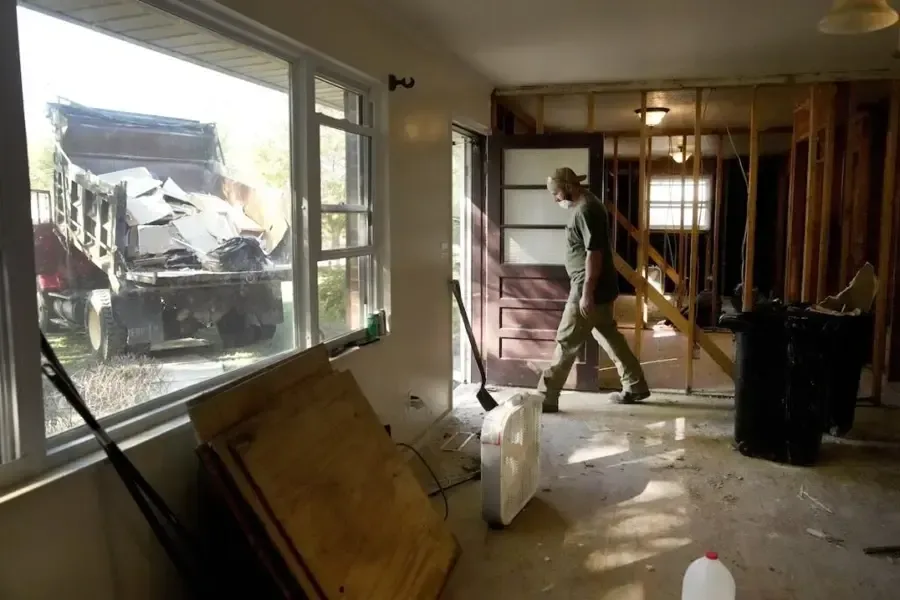
The crew starts by stopping more water from coming in, using tarps or temporary barriers where needed. Pumping and extraction follow, then cleaning, removal of contaminated materials and drying. Documentation runs through the whole job so the storm claim has a clear record of what the water reached.
Storm water damage across Murrieta and nearby cities
The same service nearby: storm water damage in Wildomar, Temecula, Menifee.
Storm crews work across the valley, from Copper Canyon and Bear Creek to The Ranchos, Central Park and the homes along Murrieta Hot Springs Road and Clinton Keith Road.
Storm Water Damage questions
Storm water inside the house? Crews roll 24/7.
Describe the rain damage to a techIs storm water considered contaminated?
Usually yes. It crosses roofs, soil and drains before it enters, so it is treated as Category 2 or 3 until the source is judged. Porous materials it touches are often replaced.
Can wet carpet be saved after a storm?
Seldom, when runoff soaked it. Carpet and pad that touched contaminated water are normally removed, though hard floors can be cleaned and dried.
Will homeowners insurance pay for rain damage?
Rain entering through a damaged roof or opening is often covered, while surface flood is usually a separate policy. Check the policy language, and keep photos and readings for the file.
What should be done before the crew arrives?
Stay out of deep water, switch off power to wet areas, move valuables up and photograph the high-water mark. Do not run household vacuums or fans in standing water.
How long does storm damage take to dry?
Most homes need three to six days of equipment, depending on materials and how far the water traveled. Moisture meters set the finish, not the calendar.
Does the crew help with temporary protection?
Yes. Tarps, board-ups and barriers can keep further rain out during the cleanup, and those costs are documented for the claim.
Is mold a risk after a storm?
It can be, because damp materials let growth start within 24 to 48 hours. Fast extraction and thorough drying are the best prevention.
Rain got in overnight? Begin cleanup now.
Runoff carries dirt and bacteria into flooring and walls the longer it stays. Local crews pump it out, clear the debris and dry the structure to standard.