Sewage Backup Cleanup in Temecula, CA
Many outlying Temecula properties rely on septic systems, so a sewage backup can involve a septic system or a sewer connection, and the right fix depends on which one the property has.
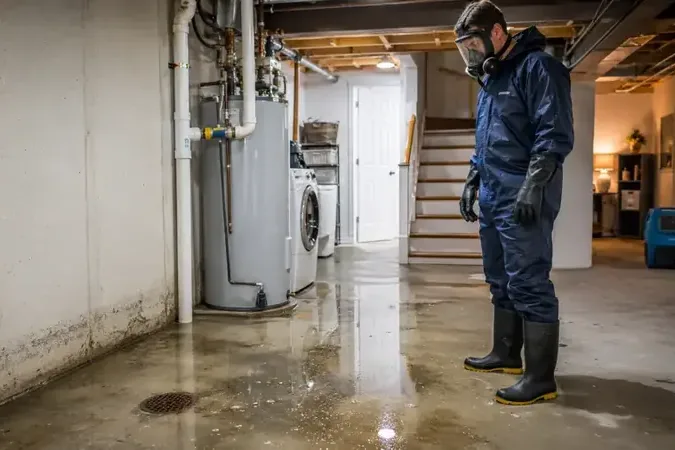
(888) 450-9281Contain the sewage backup- Protective gear on site
- Contained and sanitized
- Septic or sewer
- Water type
- Category 3 black water
- Typical sources
- Septic or sewer drain
- Safety
- Respirators, gloves, boots
- Key steps
- Contain, remove, sanitize
First steps for sewage backup cleanup in Temecula
- 1Stop using water
Do not flush or run sinks; every gallon can push more waste in.
- 2Keep people out
Close doors to the affected rooms and keep children and pets away.
- 3Photograph from a distance
Take a few photos for the claim without stepping into the area.
- 4Call a plumber and restoration
The plumber clears the blockage while the crew prepares containment.
How sewage backup cleanup is handled
Containment and extraction
Affected areas are sealed, and liquid waste is pumped out with equipment made for contaminated water.
Removal of porous materials
Carpet, pad and drywall touched by sewage are cut out, bagged and logged.
Sanitizing and drying
Hard surfaces are cleaned and disinfected, then dried with air movers and dehumidifiers.
What does sewage backup cleanup cost in Temecula, CA?
One bathroom usually runs $2,500 to $5,000. A bathroom and hallway costs $5,000 to $12,000, and a backup that reached several rooms can reach $12,000 to $25,000 once removal and sanitizing are added.
One bathroom
- Floor and base cleaned
- Contained work area
- Sanitizing included
Bathroom and hallway
- Carpet and pad removed
- Drywall cut low
- Drying run
Several rooms
- Widespread removal
- Extended containment
- Detailed records
Ranges only, not a quote. The drivers are the water category, the square footage, the material class and how fast drying started. For a planning number, run the water damage cost calculator.
The sewage backup cleanup process, step by step
Containment, removal and sanitizing after sewage backs up through floor drains, tubs or toilets, with drying once the area is clean.
- 1
Contain and protect
The crew seals off affected rooms and puts on protective gear, then checks the air path before work begins.
- 2
Remove and extract
Liquid waste is pumped out, and contaminated carpet, pad and drywall are bagged and hauled away.
- 3
Clean and sanitize
Hard surfaces and framing are scrubbed and disinfected, and the area is checked before drying equipment goes in.
- 4
Dry and document
Air movers and dehumidifiers run until readings pass, and photos and logs are delivered for the carrier.
Sewage is the most hazardous water loss, because it carries bacteria and viruses that cause illness. Owners should keep children, pets and themselves out of the area. In this city the source matters, since many outlying properties use septic systems while others connect to a municipal sewer.
Septic or sewer, the plan differs
A septic backup often points to a full tank, a failing field or a blockage close to the home. A sewer-side backup may come from a blockage farther along the drain. Plumbers sort out the cause, and the city directs applicants to confirm septic capacity with Riverside County Environmental Health, so the restoration crew focuses on safe cleanup.
- Affected rooms are sealed with plastic and the air is kept contained
- Liquid waste is extracted with pumps designed for contaminated water
- Porous materials such as carpet, pad and drywall are removed and bagged
- Hard surfaces are cleaned and sanitized with approved products
- Structural drying begins only after the area is cleaned and measured
Why sewage cannot be dried in place
Drying alone does not make contaminated materials safe, so porous items that touched sewage are removed. Hard surfaces are scrubbed and disinfected, and the framing is cleaned before equipment is set. The crew photographs each stage because carriers often ask for proof of removal and disposal.
Do not flush or run water. Using fixtures during a backup pushes more waste into the home, so wait for a plumber and the crew.
Coordinating trades
The plumber fixes the blockage, the septic company pumps if needed, and the restoration crew handles cleanup and drying. If the backup follows heavy rain, see flood water cleanup for the larger version of this job.
Sewage backup cleanup across Temecula and nearby cities
The same service nearby: sewage backup cleanup in Wildomar, Murrieta, Menifee.
Sewage cleanup crews serve outlying properties and neighborhoods including Redhawk, Harveston, Wolf Creek and Paseo del Sol, plus homes near Highway 79 and Interstate 15 in the valley.
Sewage Backup Cleanup questions
Sewage coming up through a drain? Describe the room and the source to a dispatcher and learn what to avoid touching.
Talk to the sewage cleanup crewIs sewage backup dangerous?
Yes. It carries bacteria and viruses, so keep people and pets out and rely on professional protective gear for cleanup and disposal.
Does a septic system change the cleanup?
The cleanup is similar, but the cause differs. Septic problems may need a pump-out or field repair, and a plumber or septic company handles that part.
Who should confirm septic capacity?
The city directs applicants to Riverside County Environmental Health for septic capacity questions.
Can carpet be saved after sewage?
No. Carpet and pad touched by sewage are removed because they cannot be reliably disinfected, and the crew bags them for proper disposal.
Does insurance cover sewage backup?
Some policies exclude it unless an endorsement was added. Check the policy and ask the carrier before work starts so the claim is set up right.
How soon can the area be used again?
Only after cleaning, sanitizing and drying are finished and readings confirm a clean, dry structure. The crew will say when rooms are safe.
Should I clean it myself?
No. Contact with sewage is a health risk, and professional crews contain the area and dispose of waste properly with the right gear.
Get the sewage cleaned safely
Contaminated water needs gear, containment and proper disposal. One call brings a trained crew and a written plan to the property.