Structural Drying and Dehumidification in Lake Elsinore, CA
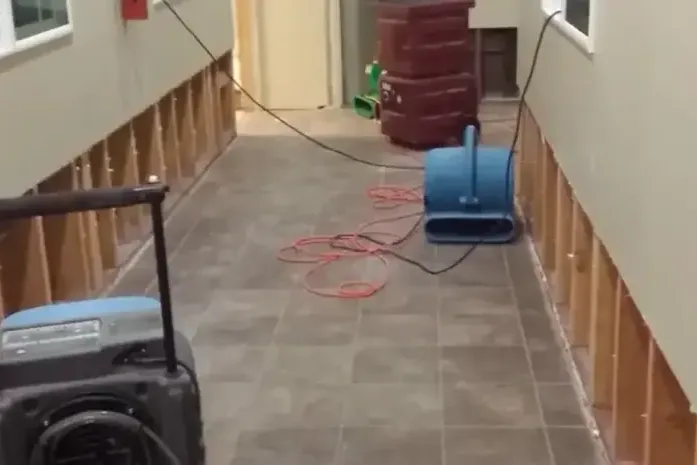
After a flood or leak, walls, subfloors and framing hold moisture that standing-water removal misses. Dehumidifiers and air movers dry them to a measured target.
(888) 450-9281Plan the dry-down with a tech- Meters and thermal imaging
- Dehumidifier and air mover setup
- Daily readings
- Goal
- Measured dry reference
- Tools
- Dehumidifiers, air movers
- Checks
- Daily moisture readings
- Follows
- Flood or mud intrusion
First steps for structural drying and dehumidification in Lake Elsinore
- 1Take readings
Meters and a thermal camera map every wet material and set the dry reference.
- 2Set the equipment
Air movers and dehumidifiers are placed to match room size and materials.
- 3Monitor daily
Readings are retaken each visit and equipment is adjusted.
- 4Confirm and remove
Equipment leaves only after every material reads dry.
How structural drying and dehumidification is handled
Walls and framing
Studs, plates and drywall that took in water are dried through small openings or opened baseboards.
Subfloors and flooring
Wood and concrete floors are dried with mats, air movers and steady dehumidification until readings drop.
Dense and layered materials
Hardwood, plaster and multi-layer floors get longer runs and tighter monitoring to reach dry reference.
What does structural drying and dehumidification cost in Lake Elsinore, CA?
Structural drying commonly runs $1,000 to $12,000. Small, shallow wet areas are at the bottom, while dense materials and wide, deep saturation need more equipment and more days. Depth of saturation sets the schedule.
Class 1 or 2, one area
- One area wet
- Basic equipment set
- A few days of drying
Class 3, several rooms
- Multiple rooms wet
- More equipment on site
- Daily monitoring
Class 4, dense materials
- Hardwood or masonry
- Specialty drying gear
- Extended drying run
Ranges only, not a quote. The drivers are the water category, the square footage, the material class and how fast drying started. For a planning number, run the water damage cost calculator.
The structural drying and dehumidification process, step by step
Structural drying pulls trapped moisture from framing, subfloors and walls with dehumidifiers and air movers, and daily readings show when the structure is dry.
- 1
Assessment
Meters and a thermal camera map moisture in walls, floors and ceilings, and the dry reference is taken in an unaffected part of the house. Photos record each wet area.
- 2
Setup
Air movers and dehumidifiers are placed by room volume and material, and openings are made where cavities need airflow. Placement is adjusted after the first day.
- 3
Monitoring
Readings are retaken each visit, equipment is moved or added as needed, and notes show progress to the owner.
- 4
Completion
Every material reads dry and holds steady, equipment is removed, and the written log goes to the adjuster.
Removing standing water is only the first step. After flood or mud intrusion in Lake Elsinore, walls, subfloors and framing keep moisture inside long after the surface looks dry, and they need to dry before repairs begin. Wet framing left in place is the most common reason repairs fail later.
How drying equipment works
Air movers push dry air across wet surfaces so moisture leaves the material, and dehumidifiers pull that moisture out of the air so it cannot settle again. Crews position equipment based on the room size, the materials and the water class, and they adjust it at every visit using fresh readings. Thermal cameras help the crew place equipment where the water actually sits, not just where it shows.
- Moisture meters read walls, floors and framing
- Thermal cameras show hidden wet areas
- Air movers set along wet walls and floors
- Dehumidifiers sized to the volume of air in the space
- Readings logged each visit until materials match dry
Why framing and subfloors matter
Studs, plates and subfloors can look dry on the surface while holding water deep inside. If they are closed up too soon, trapped moisture can swell wood, loosen finishes and invite growth. Drying follows the S500 standard, so each material is brought down to a reference reading taken in a dry part of the house. Small drilled holes and lifted baseboards give the cavity airflow without removing whole walls.
Dense materials dry slowly. Hardwood, plaster and concrete hold water longer than drywall, so they need longer runs and sometimes specialty equipment. Plan on extra days for them.
Knowing when drying is done
Equipment stays until readings match the dry reference and hold steady. The crew then picks up the equipment, saves the log with every visit's readings and gives the adjuster a record showing how each area was dried. That record also protects the owner if a question about the drying comes up while a claim is being evaluated.
Structural drying and dehumidification across Lake Elsinore and nearby cities
The same service nearby: structural drying and dehumidification in Wildomar, Menifee, Murrieta.
Structural drying crews work throughout the city, from Riverview and the lake-side districts to Tuscany Hills, Canyon Hills and Rosetta Canyon, along Mission Trail and State Route 74.
Water damage restoration in Lake Elsinore · every town covered
Structural Drying and Dehumidification questions
Wet walls or floors? Describe them and get a drying plan with real readings.
Ask about a drying planHow long does structural drying take?
It depends on the materials and how wet they got. Many jobs take several days, while dense materials such as hardwood or masonry need more time.
Why does the equipment need to run so many days?
Moisture inside framing and subfloors leaves slowly. Stopping early can leave water trapped in places the surface does not show, which risks swelling and later growth.
What do the classes mean on the price cards?
They describe how much water the materials hold and how fast it leaves. Higher classes mean denser materials or more saturation, so drying takes more equipment and time.
Will the equipment raise my power bill?
Dehumidifiers and air movers do use power during the dry-out. Keep a note of the run days, since the adjuster may ask about it as part of the claim.
Can I live in the house during drying?
In many cases yes, though the equipment is loud and warm. If the loss was large or contaminated, some rooms may be off limits until work finishes.
Do walls always need to be opened?
Not always. Small holes at the base or removed baseboards let air reach the cavity, but wet insulation or swollen drywall that cannot dry in place is cut out.
How do I know it is truly dry?
Final readings in each wet material match the dry reference and stay steady across visits, and those numbers go into the written record.
Dry on the surface is not dry inside
Tell dispatch what got wet, and a crew will bring meters, air movers and dehumidifiers sized to the job. Readings are saved for the claim.