Flood Water Cleanup in Lake Elsinore, CA
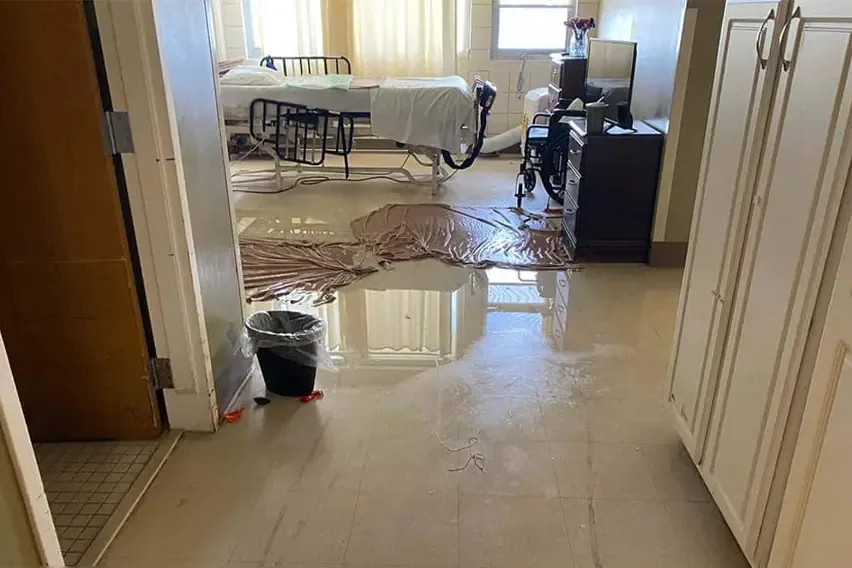
Lake overflow and creek flooding leave water, silt and debris across floors. Crews pull the water, haul the mud, clean the contaminated surfaces and dry the structure before repairs begin.
(888) 450-9281Flooded rooms need a crew- Water, mud and silt
- Contamination handled
- Whole-floor drying
- Water type
- Often contaminated
- Left behind
- Silt, mud, debris
- Scope
- One room to whole floor
- Then
- Structural drying
First steps for flood water cleanup in Lake Elsinore
- 1Make it safe
Utilities are checked, and crews wear protective gear before they go in.
- 2Remove water and mud
Pumps and shovels clear standing water, silt and debris.
- 3Clean and disinfect
Contaminated materials are removed and hard surfaces are washed.
- 4Dry the structure
Dehumidifiers and air movers run until readings are dry.
How flood water cleanup is handled
Lake and river overflow
Water from the lake or the San Jacinto River is pumped out, and the silt it left is removed.
Creek and hillside runoff
Mud and debris carried down by creeks or slopes are cleared from rooms and garages, then surfaces are cleaned.
Soaked contents and materials
Carpet, pad, insulation and low drywall are removed when contaminated, and salvageable contents are moved and protected.
What does flood water cleanup cost in Lake Elsinore, CA?
Flood water cleanup commonly runs $4,000 to $45,000. A garage or single room sits at the bottom, while a whole ground floor with contaminated water, removed materials and a long dry-out reaches the top of the range. Depth matters most.
Garage or one room
- Single area affected
- Mud and water removal
- Short drying run
Several ground-floor rooms
- Multiple rooms affected
- Porous materials removed
- Cleaning and disinfecting
Whole ground floor
- Entire level affected
- Extended drying plan
- Full contents handling
Ranges only, not a quote. The drivers are the water category, the square footage, the material class and how fast drying started. For a planning number, run the water damage cost calculator.
The flood water cleanup process, step by step
Flood crews remove water, silt and debris together, clear materials that floodwater contaminated, then dry the structure to a measured target before any rebuilding.
- 1
Dispatch
The caller describes the water source, depth and rooms affected, and the crew loads pumps, protective gear and drying equipment.
- 2
Assessment
A safety walkthrough checks utilities and hazards, and photos record the high-water mark and every wet room.
- 3
Cleanup
Water, mud and debris come out together, contaminated materials are bagged, and surfaces that can be cleaned are washed. Debris leaves the property in bags.
- 4
Drying and records
Equipment runs until readings match the dry reference, and the written scope goes to the adjuster to read through. Final photos close the file.
Flooding is a bigger job than a leak. In Lake Elsinore the lake, the San Jacinto River and the creeks that drain the hills can all put water and silt into a house, and the cleanup starts with getting every bit of it out. Speed matters because wet materials keep absorbing water the longer they sit.
Flood history that shapes the work
More than a week of heavy rain in 1980 flooded the lake and destroyed surrounding homes and businesses. A multimillion-dollar project afterward held the lake level steadier, which allowed homes to be built close to it. In February 2019 a rain-swollen creek again sent mud and debris into a neighborhood. Flood cleanup here means removing water, mud and debris together. Floodwater from the lake and river is handled differently from water that comes out of a household pipe.
- Floodwater pumped out and mud shoveled from rooms and garages
- Soaked carpet, pad and low drywall removed when contaminated
- Hard surfaces washed and disinfected
- Contents moved, sorted and protected from further damage
- The high-water mark and every affected room documented for the claim
Why flood water is treated as contaminated
Water that arrives from a lake, river or creek has crossed soil, yards and roads, so it carries bacteria, silt and debris. Porous materials such as carpet, pad, insulation and low drywall usually cannot be cleaned and are removed. Hard surfaces are cleaned and disinfected, then everything is dried to a measured target before rebuilding starts. Contents are sorted into what can be cleaned and what cannot, and the list is kept for the claim.
Silt comes first. Mud left to dry hardens on floors and inside wall bottoms, so removal happens before dehumidifiers go in. Hand tools and wet vacs handle what pumps leave behind.
Rebuilding after a flood
Once the structure reads dry, the loss is documented room by room for the adjuster, with photos of removed materials and a clear scope. Repairs, from drywall to flooring, can then begin on a sound, dry base instead of covering damp framing. The drying records also show that moisture is gone from the framing before walls are closed.
Flood water cleanup across Lake Elsinore and nearby cities
The same service nearby: flood water cleanup in Wildomar, Menifee, Murrieta.
Flood crews cover Riverview between the knoll, the floodway and the lake, the lake-side districts of Lake Edge, Lake View and East Lake, and the hills from Tuscany Hills to Rosetta Canyon.
Water damage restoration in Lake Elsinore · every town covered
Flood Water Cleanup questions
Floodwater in the house? Describe it and get a clear plan.
Ask about flood recoveryWhy is flood water handled as contaminated?
It has crossed soil, yards and roads before reaching the house. That means bacteria, silt and debris, so crews use protective gear and remove materials that cannot be cleaned.
How is flood cleanup different from a pipe leak?
A pipe leak usually starts as clean water, while floodwater does not. Flood jobs add mud removal, contaminated material disposal and cleaning, along with the standard extraction and drying.
Can anything be saved after a flood?
Hard furniture, some contents and solid surfaces can often be cleaned and dried. Carpet, pad, insulation and low drywall that sat in floodwater are normally removed.
How long does the structure take to dry?
It depends on how many rooms flooded and what the walls and floors are made of. Heavily soaked structures take longer, and readings decide when equipment can leave.
Will insurance cover flood damage?
Policies treat flood differently from other water losses, so coverage depends on the policy and the cause. Photos, the high-water mark and a written scope give the adjuster clear facts.
Can I go back into the house right away?
Not until utilities are checked and the worst contamination is removed. Crews say which rooms are safe, and protective gear is worn in the affected areas.
Does flood cleanup include structural drying?
Yes. After water and mud come out, the structural drying step pulls moisture from framing and subfloors before any repair work.
Flooding calls for more than a mop
Describe the water, the mud and the rooms to dispatch, and a crew will bring pumps, protective gear and drying equipment. Every step is recorded for the claim file.