Commercial Water Damage in Murrieta, CA
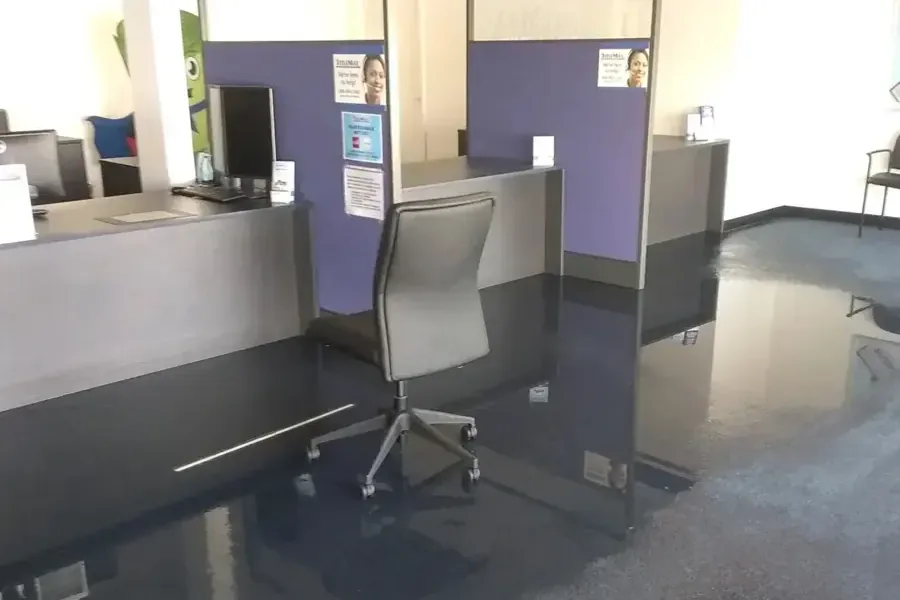
A burst pipe or storm leak in a shop, office or suite stops business until the water is out. Crews pump, dry and document, working around tenants and landlords to cut downtime.
(888) 450-9281Business flooded? Call for dry-out- Retail and office losses
- Tenant coordination
- Insurer-ready records
- Water category
- 1 to 3
- Class of loss
- 2 to 4
- Typical drying
- 3 to 10 days
- Drying standard
- IICRC S500
First steps for commercial water damage in Murrieta
- 1Cut the water
Close the shutoff or ask the property manager to do so, and keep staff and customers away from wet floors.
- 2Protect stock
Move inventory and electronics above the high-water mark.
- 3Call the landlord
Notify the property manager so neighboring tenants can be warned and shared systems checked.
- 4Photograph the loss
Capture the damage and inventory before removal.
How commercial water damage is handled
Phased work plan
Areas are dried in stages so parts of the business can reopen sooner, and tenants are told what to expect.
Multi-party records
Photos and readings are shared with the owner, the landlord and the insurer.
Dry standard confirmed
Meters prove the structure is dry before finishes are replaced, and the proof is saved in the file.
What does commercial water damage cost in Murrieta, CA?
Commercial water damage in this area typically costs $3,000 to $75,000, depending on floor area, water category, building materials, how many suites or units are affected and how long the water was present before removal.
Small suite or one unit
- Single space
- Extraction and drying
- Short monitoring
Several suites or units
- Shared walls wet
- Phased drying
- Coordinated access
Large floor or Category 3
- Wide contamination
- Material removal
- Long monitoring
Ranges only, not a quote. The drivers are the water category, the square footage, the material class and how fast drying started. For a planning number, run the water damage cost calculator.
The commercial water damage process, step by step
Commercial water damage restoration in Murrieta, CA: extraction, structural drying and documentation for suites, shops, offices and multi-tenant buildings alike, with phased work.
- 1
Assess and stabilize
The tech checks the source, power and building safety, and confirms the shutoff with the property manager.
- 2
Extract and remove
Standing water is pumped, and wet ceiling tiles, carpet tile and insulation are removed and photographed.
- 3
Dry in phases
Industrial equipment goes in by area, and readings are taken at every visit to steer changes in placement, with unaffected spaces kept clear and operating.
- 4
Document and release
Final readings are compared with a dry reference, and a clear report with photos is handed to the owner, the landlord and the insurer.
Commercial water damage covers shops, offices, restaurants, medical suites and multi-tenant buildings. A single supply leak can affect the unit above, below and beside, so the loss usually involves several parties, a landlord and an insurer, as well as the business owner.
Why commercial jobs differ
Large floor plates, shared walls, suspended ceilings and commercial flooring change how water travels and how it is dried. Stock, equipment and records add value at risk, and every day closed costs revenue. Crews plan around the business so the dry-out interrupts operations as little as possible, with phasing, containment and clear communication.
- Water extracted from open floors, back rooms and storage areas
- Ceiling tiles, insulation and carpet tile inspected and removed
- Wet walls and slabs mapped with meters and thermal imaging
- Industrial dehumidifiers and air movers set in phases
- Detailed logs for the landlord, tenants and insurer
Shopping centers and public pipes
Murrieta has shopping centers such as the one along Alta Murrieta Drive, where a storm drain failure in April 2020 affected the roadway. That is a reminder that business districts depend on drains and pipes outside the building as well as inside it. When water arrives from either direction, a documented response keeps the loss traceable.
Inventory first. A written list of wet stock, equipment and furniture with photos taken before removal strengthens a business claim and speeds up replacement.
Working around a business
The crew coordinates access with the owner, property manager and neighboring tenants, and phases the work so unaffected areas can reopen. Drying is staged, containment limits noise and dust, and a final report documents every step for the insurer.
Commercial water damage across Murrieta and nearby cities
The same service nearby: commercial water damage in Wildomar, Temecula, Menifee.
Commercial crews serve retail centers, offices and suites near Alta Murrieta Drive, Murrieta Hot Springs Road, Clinton Keith Road and the Interstate 15 and Interstate 215 corridors.
Commercial Water Damage questions
Water in the shop or office? Crews work 24/7.
Report the business loss to a techCan the business stay open during drying?
Often in part. The crew can contain the wet area, set up barriers and phase the work so unaffected rooms and entrances stay in use while the dry-out proceeds.
Who pays for commercial water damage?
That depends on the lease, the cause and the policies of both landlord and tenant. Records of the cause and the loss help each party present its case.
How long does a commercial dry-out take?
Three to ten days is typical, with large or contaminated losses running longer. Meters set the end of the job, and the schedule is shared with the property manager.
What about wet inventory?
List and photograph it before removal. Some stock can be dried or cleaned, while other items must be discarded.
Does the landlord need to be told?
Yes, immediately, because neighboring units and shared systems may be affected. The crew can coordinate with the property manager.
Is mold a concern in a business?
It can be if materials stay damp past 24 to 48 hours, so fast extraction and drying matter in closed storage rooms and behind wall coverings.
Suite flooded? Get the dry-out underway.
Every day closed costs revenue, and damp ceilings and floors only get worse. Crews pump, dry in phases and document everything for the insurer.