Flood Water Cleanup in Moreno Valley, CA
Flood water brings mud, debris and runoff into garages and ground floors all at once. Crews pump, haul, remove what cannot be saved and dry the structure to meter targets.
(888) 450-9281Start flood recovery now- Mud hauling
- Debris removal
- Sanitizing and drying
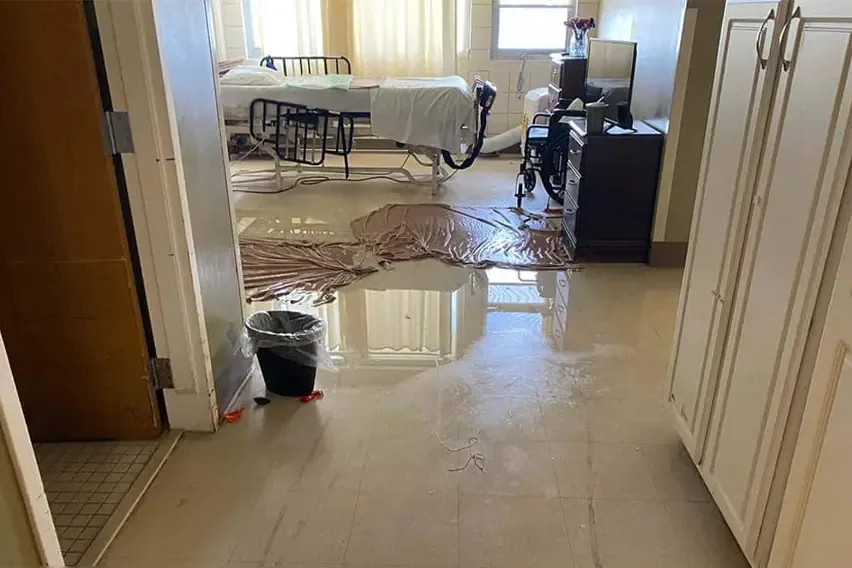
- Source
- Storm runoff and flood water
- Water type
- Treated as contaminated
- Work
- Pump, haul, sanitize, dry
- Insurance
- Separate flood policy
First steps for flood water cleanup in Moreno Valley
- 1Make it safe
Power is shut off to flooded areas and the crew checks for hazards before work starts.
- 2Pump and haul
Pumps clear standing water, and mud and debris are bagged and hauled away.
- 3Remove and sanitize
Contaminated porous materials are taken out and hard surfaces washed and sanitized.
- 4Dry and report
Equipment dries the structure and the final readings go into the claim file.
How flood water cleanup is handled
Garage flooding
Garages hold mud and runoff that spread to adjoining rooms, so they are pumped, washed and checked early.
Ground-floor flooding
Water through several rooms is extracted floor by floor, with insulation and drywall removed where contaminated.
Whole-floor losses
Large floods need a phased plan, with demolition, sanitizing and long drying schedules kept on one written scope.
What does flood water cleanup cost in Moreno Valley, CA?
A flooded garage or single room usually costs $4,000 to $8,000. Several ground-floor rooms run $8,000 to $20,000, and a whole ground floor can reach $20,000 to $45,000 depending on depth, debris and materials.
Garage or one room
- Pump and haul
- Mud removal
- Sanitize and dry thoroughly
Several ground-floor rooms
- Multiple rooms flooded
- Insulation removal
- Longer drying run needed
Whole ground floor
- Phased demolition plan
- Full sanitizing
- Extended monitoring visits
Ranges only, not a quote. The drivers are the water category, the square footage, the material class and how fast drying started. For a planning number, run the water damage cost calculator.
The flood water cleanup process, step by step
Flood cleanup combines heavy pumping, mud and debris removal, removal of contaminated materials, sanitizing and full structural drying with complete documentation for insurers.
- 1
Assess
The crew shuts off power to flooded areas and surveys the depth and spread, then plans pumping and haul-out around safe access.
- 2
Pump and clear
Heavy pumps lower the water level and crews remove mud and debris, and the rooms are cleared for sanitizing.
- 3
Remove and wash
Porous materials are removed and bagged, and concrete, tile and framing are washed down before drying begins.
- 4
Dry and verify
Air movers and dehumidifiers dry the shell while meters track progress, and the crew prepares the dry report for the adjuster.
Flood water is a larger job than a leak. Mud, debris and runoff arrive together, and a garage or ground floor can be soaked in one storm. Moreno Valley has seen storms flood the Heacock Street area south of Cactus Avenue and the Day Street area at Alessandro Boulevard.
Why flood cleanup takes longer
Flood water crosses streets and yards before it reaches a home, so it picks up soil, oil and bacteria. That makes it contaminated by default. Crews wear protective gear, remove porous materials such as carpet, pad and soaked insulation, and wash and sanitize every hard surface they keep. Only then can drying equipment do its work without trapping dirt in the structure. Even tile and concrete can hold contaminants in grout and pores, so they get a thorough wash, not a quick wipe.
- Standing water pumped from garages and living areas
- Mud and debris shoveled out, bagged and hauled away
- Carpet, pad, insulation and soaked drywall removed
- Concrete, tile and framing washed and sanitized
- Air movers and dehumidifiers monitored with daily readings until the whole structure is dry and ready for rebuilding
Warnings are limited here
The city says there is no detailed flood warning system, and National Weather Service flash flood warnings are general and do not give precise locations. That leaves little time to prepare, so owners often face the cleanup after the water is already inside. Photographs taken before anything is moved make the insurance conversation much easier.
Flood zones. The city's flood page lists FEMA flood zones as Special Flood Hazard Areas.
Rebuilding choices after the dry-out
Once the structure is dry, owners decide what to repair and what to replace. Crews supply the dry report and a list of removed materials, and the storm water damage records show how the water entered. Owners should keep receipts for disposal and temporary housing, since insurers sometimes ask for them alongside the dry report. Many owners wonder whether to wait for the adjuster before cleanup begins; documenting first and then starting extraction protects both health and the claim.
Flood water cleanup across Moreno Valley and nearby cities
The same service nearby: flood water cleanup in Wildomar, Menifee, Lake Elsinore.
Flood crews cover the Heacock Street area south of Cactus Avenue, the Day Street and Alessandro Boulevard area, Edgemont, Sunnymead and the neighborhoods near Oliver Street.
Water damage restoration in Moreno Valley · every town covered
Flood Water Cleanup questions
Ask about mud hauling, sanitizing or flood insurance.
Ask a flood recovery questionIs flood water considered contaminated?
Yes. Flood water crosses streets and yards and carries soil, oil and bacteria, so crews remove porous materials and sanitize every surface they keep.
Does homeowner's insurance cover flooding?
No. Homeowner's insurance does not cover flood losses. A separate flood policy is needed and usually takes 30 days to start, so ask about it before storms arrive.
Does the city flood rating help with insurance?
Yes. The city takes part in the National Flood Insurance Program and holds a Class Eight Community Rating System rating that gives a 10% discount on flood insurance.
Which parts of town have flooded before?
A January 2010 storm flooded the Heacock Street area south of Cactus Avenue, and a December 2010 storm flooded the area around Day Street at Alessandro Boulevard.
Can I stay in the house during cleanup?
Often not in the affected rooms. Power may be off and the air may carry dust or contaminants, so ask the crew which spaces are safe once the survey is finished.
What belongings can be saved?
Hard items such as glass, metal and sealed wood can often be washed and kept. Porous items like upholstery, mattresses and cardboard are usually discarded.
How is the waterline recorded?
Crews photograph the waterline on walls and note the depth, since adjusters use it to judge scope. Dated photos taken before anything is moved are the most useful.
Flood water in the garage or house?
A local crew can pump, haul, sanitize and dry the structure while building the records your insurer expects. Call any hour of the day or night.