Water Extraction in Menifee, CA
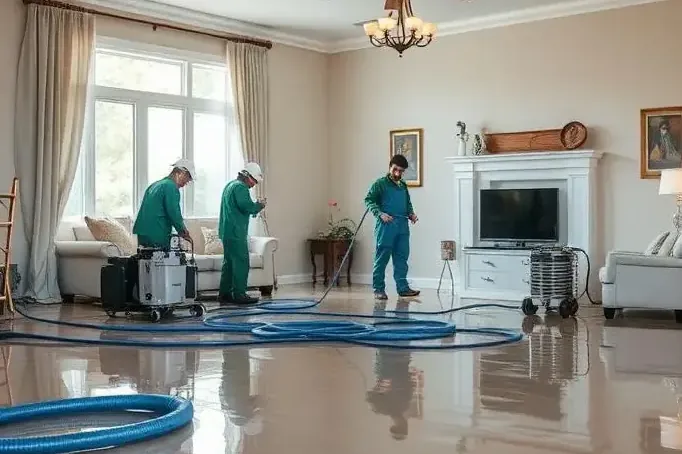
Standing water in a Menifee home can follow a storm, a split pipe or a failed appliance. Pumps and extraction wands remove it fast so subfloors and wall bottoms stay as dry as possible.
(888) 450-9281Pull the standing water out- Pumps and wands
- Carpet and tile
- Open 24/7
- Best for
- Standing water indoors
- Common causes
- Storms, pipes, appliances
- Water types
- Clean, gray, sewage
- Follows with
- Structural drying
First steps for water extraction and removal in Menifee
- 1Shut off the source
Turn off the main valve or the failed fixture so more water stops entering the room.
- 2Describe the water
Tell the dispatcher where it started, how deep it is and whether it looks clean, gray or like sewage.
- 3Pump and extract
Pumps and wands clear standing water from each room, starting with the deepest areas.
- 4Check what is hidden
Moisture meters scan walls, cabinets and subfloor so wet areas under the surface are found.
How water extraction and removal is handled
Clean water losses
Supply breaks, overflowing tubs and failed hoses produce clean water, which is pumped out quickly and often leaves carpet and pad worth saving.
Storm and runoff water
Rain that enters through doors or low spots carries dirt and bacteria, so affected materials are cleaned, treated or removed.
Large-area losses
Multi-room spills from a failed water heater or a long pipe break get multiple pumps and a staged plan so every room is cleared in order.
What does water extraction and removal cost in Menifee, CA?
Extraction alone is usually the smallest part of a water job, and cost grows with depth, floor area and water type. A small clean spill is far cheaper than gray or black water spread across several rooms. Final numbers come after a site survey.
Small clean-water spill
- One room with shallow standing water
- A single pump and wand pass
- Short moisture check afterward
Several wet rooms
- Water spread through hallways and bedrooms
- Longer pumping and wand work
- Cabinet bases and walls checked
Gray or black water spread
- Protective gear for the crew
- Porous materials removed and bagged
- Surfaces cleaned and treated
Ranges only, not a quote. The drivers are the water category, the square footage, the material class and how fast drying started. For a planning number, run the water damage cost calculator.
The water extraction and removal process, step by step
Extraction removes standing water from carpet, tile, wood and concrete using pumps and wands, which is the first step before any drying equipment goes in.
- 1
Assess
The crew walks the affected area with a moisture meter, and it marks where water has traveled so pumping starts in the right spot.
- 2
Extract
Pumps clear the deep water first, and wands then lift what remains from carpet, pad and hard floors until surfaces stop shining and the moisture meter drops toward a normal reading.
- 3
Remove
Pad and soaked trim that cannot be saved come out, and the room is opened up so air can reach wet edges and corners where water likes to hide.
- 4
Hand off to drying
Once standing water is gone, air movers and dehumidifiers go in, and readings are logged until the structure matches its dry goal.
Extraction is the first job once the source is stopped. In Menifee it often follows a storm, with Salt Creek flooding at Bradley Road and rain closures on Murrieta Road as local reminders, or a plumbing failure inside a home. Every hour water sits, it moves deeper into materials.
How extraction removes the water
Crews start with a moisture survey to see how far the water traveled, then choose the right tool. Submersible pumps handle deep water, and weighted extraction wands lift water out of carpet and pad. On tile, wood and concrete, wands and squeegees recover what pumps leave behind. Cutting a toe-kick or lifting a corner of carpet often reveals trapped water. Furniture is lifted onto blocks so legs do not stain wet flooring, and rugs and loose items are carried out to a dry room before pumping starts.
- Moisture survey of floors, walls and cabinets before any machine runs
- Submersible pumps for deep standing water
- Weighted wands for carpet, pad and hard floors
- Wet carpet pad removed when it cannot be saved
- Photos and readings logged for the insurance file
When the water comes from outside
Rain driven runoff is different from a broken pipe, because creek or street water is contaminated. Bradley Road floods at Salt Creek often, and a storm on February 6, 2024 closed that crossing along with parts of Murrieta Road. Water that enters a house from outside is removed with the same pumps, but porous materials it touched are usually discarded rather than dried. Crews separate the affected area and wear boots and gloves while pumping. Floor drains, garage slopes and doorway thresholds are noted, because they show where the water entered and where it is likely to return in the next storm.
Quick note: Carpet and pad that sat in clean water can often be saved when extraction starts early, while contaminated water ends that option for porous materials.
What happens after the water is out
Extraction removes the bulk of the water, but damp framing, subfloor and drywall still hold moisture. Crews then place air movers and dehumidifiers and check readings each visit, which is covered in structural drying. A written scope and photos go to the adjuster.
Water extraction and removal across Menifee and nearby cities
The same service nearby: water extraction and removal in Wildomar, Murrieta, Lake Elsinore.
Crews reach Sun City, Quail Valley, Romoland, Menifee Lakes and Audie Murphy Ranch, along with homes and shops by Newport Road, McCall Boulevard and Interstate 215, plus the streets between.
Water Extraction and Removal questions
Water on the floor now? Describe it and the crew sorts out the next move.
Ask a crew about pumpingHow is extraction different from drying?
Extraction removes liquid water with pumps and wands, while drying removes moisture held in materials and air using air movers and dehumidifiers. Both are needed, and extraction always comes first because pumping removes far more water than any dehumidifier ever could.
Can wet carpet be saved?
Often, when the water was clean and extraction began early. Pad is usually replaced, but carpet can be cleaned and dried in place. Contaminated water ends that option, and the crew explains which areas fall on which side before cutting anything out.
How deep can the water be?
Pumps handle anything from a shallow film to several inches. Deeper water is pumped in stages, and the crew checks electrical hazards before wading in.
Will my floors be damaged?
Water that is removed quickly causes the least harm. Hardwood can cup and laminate can swell if it sits, so fast extraction protects flooring more than any later repair, and it often decides whether boards can stay.
Is the water safe to touch?
Clean supply water is lower risk, but storm, creek and sewage water carry bacteria. Gloves, boots and careful handling matter, and children and pets should stay out of the room until it is cleaned and dry.
Does insurance cover extraction?
Sudden events like pipe breaks and appliance failures are commonly covered, though policies vary. Photos, readings and a written scope help the adjuster review the loss.
How long does extraction take?
Most homes take a few hours of pumping and wand work, depending on depth and floor area. Drying then continues for several days afterward.
Water standing in the house?
Pumps, wands and moisture meters are ready for homes across town. Call any hour, describe what you see, and the crew will plan the first moves.