Water Heater Leak Cleanup in Menifee, CA
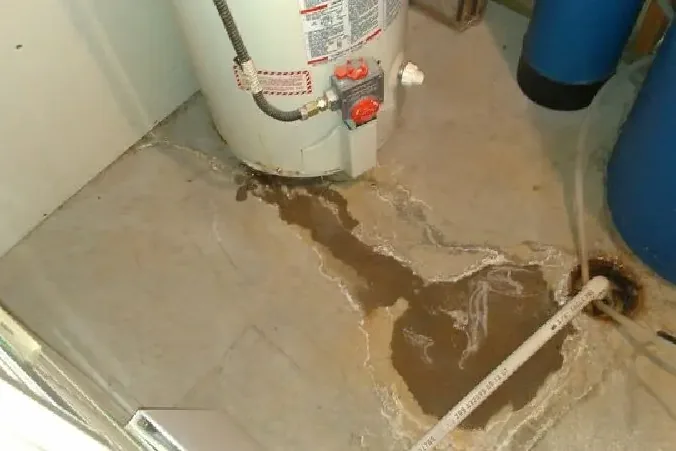
A failed tank can empty dozens of gallons across a garage floor or into a closet and hallway. The city treats water heater replacement as a Fast-Track permit, so the water is extracted first and the new tank follows.
(888) 450-9281Stop the tank leak damage- Garage and closet drying
- Floor and wall checks
- Open 24/7
- Best for
- Failed tank or fitting
- Often affects
- Garage, closet, hallway
- Water type
- Clean, sometimes rusty
- Then
- Drying and permit
First steps for water heater leak cleanup in Menifee
- 1Cut power and gas
Switch off electricity or gas to the heater and close the cold water valve above it.
- 2Save the evidence
Photograph the tank, the water and any wet belongings before cleanup starts.
- 3Call for extraction
Describe where the heater sits and which rooms look wet so the crew brings the right pumps.
- 4Dry and replace
Floors and walls dry out while the new tank is arranged and the permit step is completed.
How water heater leak cleanup is handled
Garage floors and storage
Concrete floors, cardboard boxes and tool storage near the tank are cleared, cleaned and dried so nothing keeps wicking water.
Interior closets
Carpet, drywall and flooring behind a closet-mounted tank are tested, and soaked pad or baseboard is removed where it stays wet.
Rusty water
Water from an old tank may carry rust and sediment, which stains materials, so surfaces are cleaned before drying.
What does water heater leak cleanup cost in Menifee, CA?
A garage-only failure is among the lowest water heater costs, because concrete and bare walls dry quickly. A closet failure inside the house adds drywall, flooring and cabinets. The size of the tank matters less than where the water ended up.
Garage only
- Concrete floor and wall edge
- Stored items moved and dried
- A short drying run
Garage and one room
- Water reached an adjoining room
- Baseboards and flooring checked
- Several days of drying
Interior closet failure
- Carpet and drywall soaked
- Wall cavities opened and dried
- Extended drying with monitoring
Ranges only, not a quote. The drivers are the water category, the square footage, the material class and how fast drying started. For a planning number, run the water damage cost calculator.
The water heater leak cleanup process, step by step
Water heater leak cleanup removes water from garages, closets and nearby rooms, then dries flooring and wall bottoms and documents the loss for the claim.
- 1
Extract
Pumps and wands clear the water from the garage or closet first, and soaked cardboard, rugs and pad are moved out to a dry area.
- 2
Check
Meters are run along baseboards and wall bottoms in neighboring rooms, and the wet boundary is marked so nothing is missed.
- 3
Dry
Air movers and dehumidifiers run until concrete, subfloor and drywall return to normal readings, with checks on every visit.
- 4
Verify
Final readings, photos and the failed tank details are saved for the adjuster, and equipment comes out once the dry goal is met.
Water heaters fail slowly, then all at once. A rusted tank seam, a loose fitting or a stuck relief valve can release water for hours before anyone hears it. In a garage the water spreads across concrete and into stored boxes, while an interior closet failure can soak carpet, drywall and flooring on the far side of the wall.
Garage floors versus interior closets
In a garage, water spreads across the floor and wicks into the bottom of the wall, stored cardboard and the drywall edge. In a closet or utility room inside the home, it reaches carpet, baseboards and the wall cavities next door. The location decides how much material is wet, so crews check the rooms beside and below the heater, not just the one with the tank.
- Water extracted from the garage floor or closet first
- Baseboards and the bottom of walls tested with meters
- Cardboard, rugs and soaked storage removed or relocated
- Rusty or mineral staining noted for the adjuster
- Air movers and dehumidifiers set once standing water is gone
Permits and replacement
Menifee lists water heater work among its Fast-Track permits, which skip the full plan check and are typically processed within two business days, and permits and inspections go through the Menifee Permit Portal. Extraction should come first, because installers work better in a dry space and wet drywall behind a new tank hides problems. Keep the old tank until the adjuster has seen it.
Safety: Turn off power or gas to the heater and close the cold supply valve before touching anything near the tank.
Drying after the leak
When the tank is out and the water is extracted, floors, wall bottoms and nearby materials are dried to a measured goal. Slow leaks from fittings can run longer than a full tank failure, so structural drying checks the surrounding wall and subfloor too, and the readings are logged for the claim.
Water heater leak cleanup across Menifee and nearby cities
The same service nearby: water heater leak cleanup in Wildomar, Murrieta, Lake Elsinore.
Tank failures are dried in garages and closets across Sun City, Quail Valley, Romoland, Menifee Lakes and Audie Murphy Ranch, with routes along Newport Road and Interstate 215.
Water Heater Leak Cleanup questions
Tank leaking in the garage? Describe it and the crew will plan the extraction.
Ask about tank leak dryingWhat causes a water heater to leak?
Rusted tank seams, loose fittings, failed relief valves and sediment buildup are common causes. A leak at a fitting is often repairable, while a leaking tank body usually means replacement.
Do I need a permit to replace the tank?
The city lists water heater work among its Fast-Track permits, which skip the full plan check. The Menifee Permit Portal handles the permit and the inspection.
How much water can a tank release?
A full tank holds many gallons, and a failure can release most of it in a short time. A slow fitting leak releases less but can run longer, soaking the wall bottom unseen.
Is the water from a tank clean?
It starts as clean supply water, though old tanks can add rust and sediment that stain materials. Wet cardboard and carpet left sitting can still degrade.
Will insurance cover the water damage?
Sudden failures are commonly covered for the resulting damage, though the tank itself often is not. Policies differ, and photos of the tank and wet areas support the claim.
Should I keep the old tank?
Yes, until the adjuster has seen it. A photo of the failed part and the tank label helps show cause and age, and a plumber can note the failure point.
How long does a garage take to dry?
A garage with a concrete floor often dries in a few days once the water is extracted and air moves across the area, though stored items and wall bottoms may take longer.
Water heater flooded the house?
Pumps, meters and drying equipment are ready for garage and closet failures. Call any hour and describe where the heater sits and which rooms are wet.